#140 - 32-Day Kayak Expedition Navigating Patagonia with Mathew Schweizer

 Apple Podcasts

 Spotify

 Overcast

 Castro

 PocketCasts

 RSS Feed
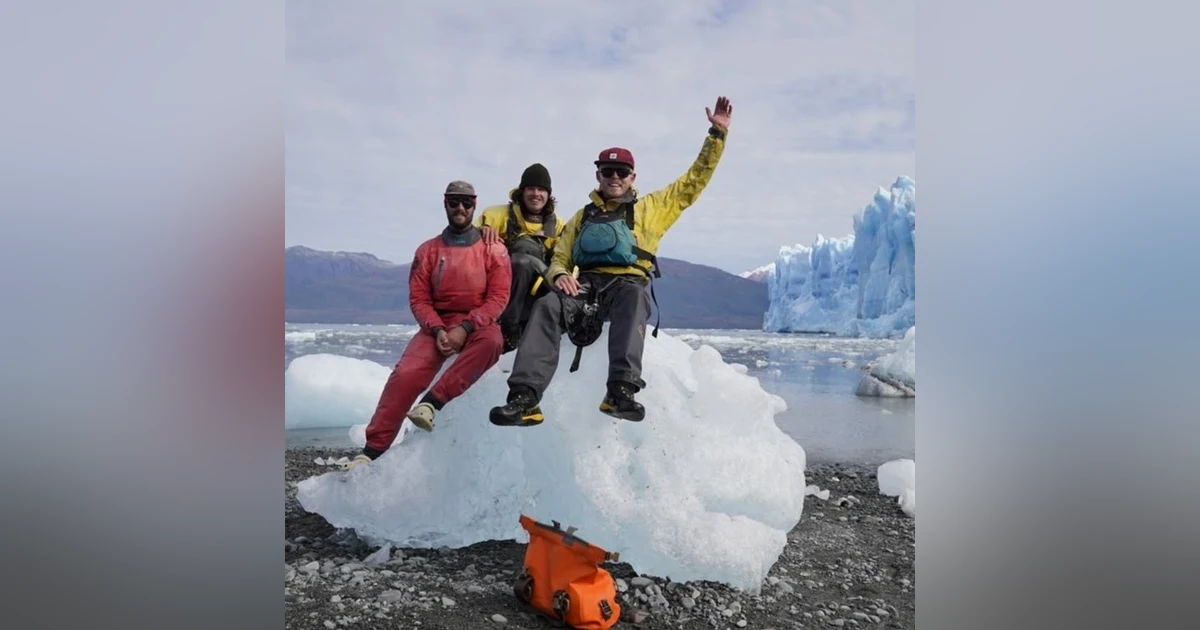
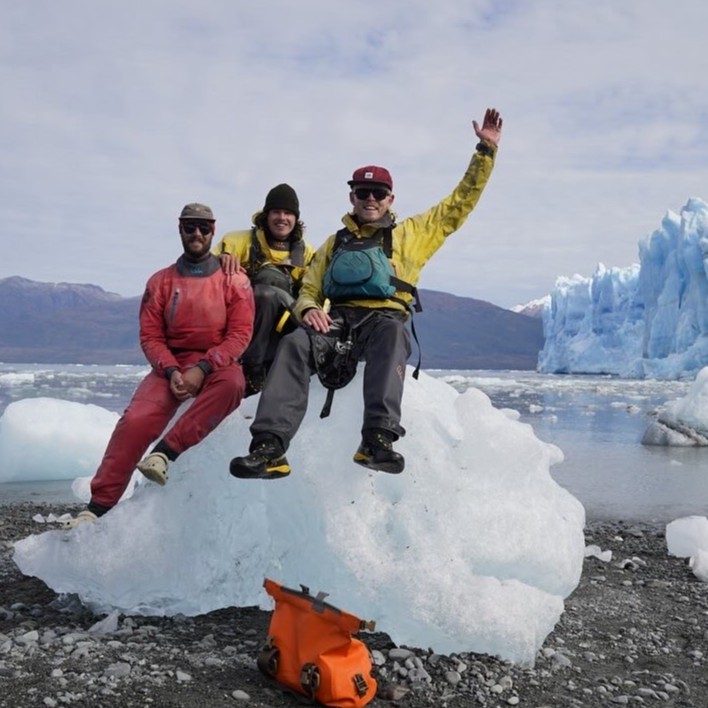
Today's episode of Paddling the Blue features a riveting conversation with sea kayaker Mathew Schweitzer. Alongside Andy Gill and Brody Duncan, Mathew embarked on a grueling 32-day kayaking expedition through the majestic fjords of Patagonia, from Puerto Eden to Puerto Natales. Facing unpredictable weather, majestic glaciers, and numerous challenges, this episode delves into the highs and lows of their adventure.
Mathew shares insights into his journey from whitewater to sea kayaking, the meticulous planning and permit process, and the unexpected hurdles faced along the way. Discover the breathtaking landscapes, the close encounters with massive glaciers, and the lessons learned from battling the elements.
Mathew Schweizer (Instagram)
00:09 - Welcome to Paddling the Blue
01:21 - Meet Matthew Schweitzer
08:15 - Preparing for the Patagonia Trip
10:31 - The Journey Begins
22:36 - Glaciers and Fjords
30:54 - Challenges on the Water
34:26 - Team Dynamics
35:50 - Navigating Permits
40:05 - Planning Your Adventure
42:35 - Connecting with Matthew
43:00 - Future Guest Suggestions
0:01 Welcome to Paddling the Blue. With each episode, we talk with guests from the Great Lakes and around the globe who are doing cool things related to sea kayaking. I'm your host, my name is John Chase, and let's get started paddling the blue. Welcome to today's episode of Paddling the Blue. Today's guest is Matthew Schweitzer. Matthew, along with Andy Gill and Brody Duncan, paddled 32 days through Patagonia from Puerto to Eden to Puerto Natales with great weather, some less than great weather, gigantic glaciers, and a few mishaps along the way. Before we get to today's conversation with Matthew, James Stevenson and Simon Osborne at OnlineSeaKyaking.com continue to produce great content to help you evolve as a paddler and as a coach.
0:42 And you'll find everything from basic strokes and safety to peddling in tides, surfing, coaching, documentaries, expedition skills, incident management, and more. If you're not already a subscriber to OnlineSeaKayaking.com, here is your opportunity to get started. Visit OnlineSeaKayaking.com, use the coupon code PTBpodcast at checkout, and you'll get 10% off just for being a member of the Paddling the Blue community. For those who also enjoy paddling small boats, their newest offering is Online Whitewater, and they're also offering the same discount to listeners. So check out Online Whitewater at, you guessed it, onlinewhitewater.com. Use the same code PTBpodcast to check out and explore. Enjoy today's episode with Matthew Schweitzer. Hi, Matthew. Welcome to Peddling the Blue.
1:26 Hey, how's it going? It's going fantastic. So appreciate you joining me today. And so Will Copestake shared your Facebook post about Puerto Eden to Puerto Natales. And sounds like a great trip and I'd love to hear about it. But before I do that, I want to hear a little bit about you as a paddler yeah so started paddling in new zealand in the south island started paddling mainly as a whitewater kayaker and was introduced to sea kayaking a lot later and then started down a guiding route in fjordland and then went over to canada did a bit of paddling over there a little bit in australia and and now been hanging out in patagonia these last few years that's pretty cool that's pretty cool now what was it that uh i want to say converted you, but what was it that drew you to sea kayaking?
2:14 Probably the ability to go for long distances, you know, you'd be able to pack a whole bunch of stuff in a kayak and be able to be on the move for long periods of time, being out in the elements for long periods of time. Yeah, that sort of journey aspect to it. Yeah, the whole expedition lifestyle. Exactly. Yeah, I did a few trips in my early 20s and just every time I got off the water, it was just like, this isn't long enough. I need to go longer. Be out there for for long periods of time is is what i really really love yeah that's pretty cool now what were some of those early trips like yeah pretty pretty cool yeah with a few friends paddling out in fiordland i'm on the west coast of the south island okay and it's a pretty harsh and isolated area and and you really have to be pretty smart about your decision making out there and and then i went on to paddle around steward island rakiura which is off the south coast of the south island okay and that that was kind of uh my first big sort of expedition kayak kayaking trip just under three weeks and with a with an aussie friend very cool and we spent our days fishing and and paddling through some amazing coastline just and really really difficult water really isolated and and quite hard paddling.
3:36 And, yeah, it was an amazing, amazing trip. Wow. So now how did you build your skills to be able to get to do the most recent trip? I guess it's a collection of paddling through the years, I guess. So in my early guiding days, I was around some really, really good kayakers. And they were constantly testing, yeah, to build up those skills, especially with dealing with folks who can't paddle or, yeah. Coaching them through those hard conditions and just being in the elements for long periods of time, I guess it just slightly builds over time.
4:18 The last few years in Patagonia has been a big learning curve as well, pretty harsh conditions. We operate mainly on rivers, and that's the only reason why we can operate is because it's usually just too windy to operate safely anywhere else with guests. You always have something with you, which is the river. Usually that's pretty harsh wind, so it always gets pretty exciting. And, yeah, you learn pretty fast. You have to learn pretty fast because otherwise you don't do so well as a guide. Now, did you start guiding in New Zealand on whitewater or did you just start guiding in the sea kayaking? Just started sea kayaking, guiding straight away.
5:01 I didn't do any whitewater or raft guiding, just recreationally. Yeah, I haven't done much in the last few years, to be honest. It's been mainly all revolving around the sea kayak. Okay. All right. So tell me about your start guiding. So yeah, I started working for a company based out of Te Ano and we ran multi-day trips in Doubtful Sound and Milford Sound, and just a small fjord sort of system on the southern western side of the South Island but it's a pretty rugged area, steep mountains. Yeah harsh conditions yeah often you're coming across 35-40 knots and a few times got caught out in some maybe 50 plus knots with guests.
5:53 Yeah, it's quite a place to work. Yeah, 50 knot winds with a group of guests. That's something for sure. Okay, perfect. Yeah, 50 knots with guests is pretty extreme. Yeah, only a handful of times where the whole, everything's just white and you have, you know, the fjords there are quite narrow so you have a lot of cross currents of wind bouncing off headlands and points and they create willy walls and water spouts and lots of spin drift and, you know, most of the time you do all right when that happens. You raft up and you time it well with the gusts and the nice thing is that the wind predominantly is blowing you back to where you want to go.
6:43 So if you can make it out and the weather comes in, you just paddle back with the wind and usually it was pretty safe. And, you know, working out there, the great thing was is that we never had any. Like wind restrictions it was mostly up to up to the guide discretion whether they're comfortable not taking people out and in hard conditions and if we had wind restrictions like 15 20 knots which you often see elsewhere in the world you you just never paddle so you learned you learned pretty fast and it's a place that created good guides i was just thinking that same thing it's absolutely it set you up in a good position to then transition to guiding in Patagonia.
7:28 So how did you make that transition and how long you've been doing that? Yeah, just finished my second season working out here. And it was just a curiosity of paddling in fjords, really. Through paddling in Fiordland in New Zealand, being in a place that is the coast or is the sea, but you feel very locked in by mountains and tucked away and you can use these fjords to connect one place to the other, which is pretty cool. The connection was just emailing a company that I found out about by connecting, well, by following Will Copestack on social media, just seeing his expedition trips.
8:09 And I found out that he worked for a company out in Patagonia and decided to email them. A few years later it just all worked and ended up out here so that leads us to your trip so puerto eden to puerto natales like i said before it sounds like a great trip so let's hear about it walk us through that trip yeah so it all started from puerto natales which is where we ended up finishing this is a three-day boat ride. From Puerto Natales to Puerto Eden. Now, this trip, I guess, started 10 months prior with the planning and the process of getting our kayaks on the water. The first thing you need to do to do a trip like this is permits from the Navy to run any sort of kayaking trip, whether it's under a company or commercial or recreational, you need permits to kayak anywhere.
9:02 And it can be quite the process. you need a lot of planning to do these sorts of kinds of trips and we're quite lucky in the sense that I work for a company out here so my boss helped us out with the communication wise translating and and dealing with the the naval officers and we're quite lucky the naval officers were pretty stoked on this sort of thing so they were pretty keen to help and and try and get the trip going so it's a fairly painless process for us but to do a trip on your own without the help of of locals pretty pretty hard but yeah like i said yeah boat trip up to puerto eden and then we had an inspection from the local naval officers so they meet us once we hopped off the boat and, inspect all of our gear, our flares, our communications.
10:00 Our PFDs, paddles, kayaks, everything. To make sure that we were professional, that we had everything that we needed to really look after ourselves. Because once you start paddling from Puerto Eden, there's nothing out there. There's no extra or other villages down along the coastline. Between Puerto Eden and Puerto Natales, there's really nothing. There's chances of coming across a few fishermen, but they don't really interact. We had two boat interactions the whole way. And they're you know pretty minimal communications but yeah once we left puerto eden we're pretty much heading south until we hit pioluanse fjord and it's about 45 kilometer dog leg north to south america's largest glacier which is about five six kilometers wide and you can actually walk right up to the face the right hand side of the glacier is really low angle and you can land on a beach and walk right up which is that's quite an unreal experience the the left hand side of that glacier is just constant rumbling a falling ice we saw a few really really big carvings and what was quite nerve-wracking was during our time around Piu Anse glacier we actually camped right opposite it so every now and then we would have these waves that would roll up onto the beach and during high tide at that
11:33 time we had a high tide around 3 a.m we'd wake up to these big waves rocking up onto the beach almost getting getting pretty close or what felt close to our tents wow. But it was quite, quite a cool experience. That was our first 10 days of the trip was primo weather. We had, you know, real high cloud, no wind at all, not a breath. And yeah, it was just glassy. So yeah, it was just amazing paddling those first few days. And we're, yeah, from Peel Wonsei, then it's a pretty big paddle south before we hit another fjord that we really wanted to check out, which was Peel Fjord.
12:16 But between Peel Fjord and Peel Wonse as just heading south we checked out a couple other fjords that we really wanted to get up to the ends of but there was just too much ice yeah lots of glasses coming down into those fjords and the ice just gets real blocked up and it makes for real slow paddling it's like trying to hike through complete bulletproof bush scrub you know it just really slows things down So we're lucky that we didn't have wind, so we gave it a go. But if there was any wind about it, there's potential for things to kind of not go right with moving ice packs and potentially getting trapped.
13:00 That's what I was thinking is, you know, with the chance of getting trapped and all that, if it's moving around, I mean, you can't control where it's going. Totally. And the issue with paddling around that area is that there's not a huge amount of tidal information. You don't really have any solid tidal information with you we didn't take any any tidal information we're just like okay once we're on the water we just take a few days to take note of what the tides are doing and and try and track it as best ourselves just in within our heads what we can remember as we go and and it never really failed us in that sense but yeah with with tides yeah the ice changes a lot for sure now you mentioned tidal information is not available are our charts available for the areas?
13:44 Yeah, that's another thing. Yeah, charts are quite tricky to get some because you have to order online from a specific place within Chile. We were lucky Will actually kept a lot of his charts and he passed them on to us. And so we had a lot of charts with us, but Pio Wansay doesn't have any charts available. So yeah, it's quite tricky to get charts. A lot of our navigation was used by GPS just directly from our phones. Okay. yeah so we had maps with us but we actually didn't even really use them or look at them now you mentioned that you're navigating by gps and through phones so now are you satellite phone or like a garmin inreach or something like that or were you able to get phone signal no so just just using gps on our phone and just the app gaia which is a real basic real basic map you can pay more to get more layers but we just had the most basic version and and that's what we went off we had a within our permits we had all of our campsites and all of our emergency campsites and all of our portaging routes via google images okay and so we we refer to that especially for our portaging because if you take the wrong route portaging you could spend another two days or So an extra day carrying and loading kayaks and unloading kayaks and doing that.
15:15 I was thinking about that cell service piece. So you're actually relying on a cell service out there? For that no no no cell service so we we could have our gps on without cell service but okay we could see where we were and and and it worked just fine yeah okay yeah i'm thinking you're you know you've you've only got two boat interactions over 32 days and you mentioned there's not much around there so i'm like this is pretty remote you have a cell tower somewhere but no okay yes we we had a our boss actually he would give us updated forecasts and actually during that time there was that earthquake i don't know if you heard about that there was an earthquake in just south of kuota williams and there was a tsunami warning during our time out there so we got to camp one night and we we would turn on our gps and we have to contact the local navy every night telling them where we are and also our boss and we get a message saying there's a tsunami warning you should camp higher tonight and make sure your boats are well away from the water which is quite funny but yeah nothing nothing happened and and we were just fine but our folks you know my folks and and the other boys's folks were kind of worried and and and so we're our partners and stuff so but yeah we we saw nothing of it okay so you've had a couple a couple fjords so far so we've had and did i get this right you said you said pier one say had a five to six k wide glacier Yeah, yeah.
16:44 That's just mind-blowing how large that is. It's quite cool. There's these massive big hard blue strips of ice that would run through the face and you could see the layers of where it's built up over time. But the amazing thing is that where you see the face, you couldn't really see much further than the face because it's just so big. It was just mad of where it's coming from, but there's so much ice up there on that ice cap. It's the third largest in the world. it's actually that glass there Pio Wansai is said to be, it's still growing apparently like 10 metres a day. Which is quite crazy. It is. And you've had that, and now you're in another fjord choked with ice.
17:26 There was actually two of those fjords that were choked up with ice, and we spent a day in each of those, and then we headed south. And then we had a few portages that linked up a few different lakes that we sort of followed Will's expedition a little bit, sort of said there's no such thing as a Patagonian expedition without a portage. So we were like oh we've got to have a portage within the trip and and there was quite a cool interesting route connecting fjord to two of these lake systems and then back out to fjord and yeah quite quite hard portaging especially with with the amount of gear that we had and we had to use ropes for some sections and to to bring it up through trees sort of steep steep trees and then and then down onto this lake and yeah it only really saved us 20 kilometers and we could have easily paddled it, but a portage is quite fun.
18:22 It's a bit of a different type of fun, but it can be quite satisfying. Yeah, I mean, that sounds like quite an epic portage with ropes and everything else. I mean, how long did that portage take you versus a 20K paddle? A day. Okay. It took us a day to do. We thought it was going to take longer. But, well, I thought it was going to take longer. I think Andy thought it was going to take like half a day. yeah there was there was areas that we thought oh there's going to be a river connecting these well between the two lakes we had the impression that there was a river but when when we got to the other side of the first lake there was no river and we had to hike again during that portage we had sort of two options go to go the long way round or go the short way which was steep and through trees and patagonian forest bush is just so so thick it's.
19:15 And painful to walk through like it's the hardest bush you can ever try and imagine to walk through, and then so yeah we opted through the long way and the long way was swamp which is it's hard to walk through but a lot easier when you're pulling kayaks yeah now you just rope yourself to them and just drag the boats exactly yeah okay yeah it's pretty pretty fun yeah like you said a different kind of fun but it does sound like it gives you some good stories yeah for sure for sure how long was the you mentioned it was a day but how much how much distance was that portage i think it was about 10 kilometers in total including those lakes maybe just over and how did you pick that portage route i think will showed us okay well copstick showed us that that portage route he showed us a few other portages as well but we decided after that first portage we decided we're happy with our one portage experience and would rather paddle around.
20:17 Good choice. So where'd you go from there? After the portage, we had some just continued south to Peel Fjord. During our paddle south in between the portage and Peel Fjord, we had probably our wildest weather. Luckily, we were heading south because the prevailing wind down there is like northwest, more northerly. And so, yeah, we had big tailwinds behind us, maximum maybe about 30, 35 knots and some big open crossings during that time, crossing big fjords. We had one nine kilometre crossing and about maybe three and a half, four foot waves, which was good fun.
21:02 Then, yeah, it took us about three days to get to Peel Fjord. But during that time after that storm, we got pretty wet and cold and we kind of had to slow down a little bit because we needed to dry out things. Brody's sleeping bag was quite bad at times, just super soaked. Just completely wet through. So whatever time we had that wasn't wet, we spent trying to dry things out once we entered Peelfjord. But Peelfjord is about 70 kilometres, another dogleg north. That was unreal. At the very, very northern end, there's about four or five glaciers that run down into a small northern sort of arm that comes off Peelfjord.
21:51 Super narrow, really, really steep. You're right on the edge of the southern Patagonian ice cap. So these glaciers are super steep and really, really active. And so there's heaps of ice and we had perfect weather yeah again like we must have timed it well because the two places that we wanted perfect weather and was peel fjord and peel oncee and and yeah we got lucky with peel and yeah we spent two nights at the top it was the best campsite and it was our halfway mark and so we had done about 400 and 400 odd kilometers by then after peel fjord We tried to go up a couple of the other arms of Peel Fjord.
22:36 But again, just too much ice and had to retreat. We didn't get so far up those. And then, yeah, from there heading south, we had another intended portage route, but we opted to go around, which was a great decision because it got a lot more islandy, got away from the mountains, and we felt a bit more swell from the open ocean. Then we went through up to Canal Las Montañas and through a small narrow passageway, that leads to a big sort of gulf out to Puerto Natales. So about 850 kilometers in total over 32 days. All right. And on only two other boat interactions in that entire time, you said?
23:20 Yeah, well, two other boat interactions that we spoke to. Okay. We had one fishing boat that did like a weird drive-by. They kind of looked at us and drove over to us and then just. Sort of a slight wave yep they're still alive yeah yeah and and then just and just drove off and then as we got closer to puerto natales like within 70 kilometers we saw a lot of fishing boats and a lot of salmon farm activity there's some quite big salmon farming around that area they would sort of come in close to the horn wave they seemed pretty stoked that we were out there, So you said a couple of things earlier.
24:02 I wanted to kind of jump back to for a minute. And you mentioned when you were getting the permits and the naval officers were kind of stoked that you were doing this trip. What was it that got them excited about this trip for? Maybe just, you know, how rare that sort of foreigners come out here and do these things. And it starts from a place, Puerto Eden. These naval officers, you know, they probably don't do a huge amount of work out there. I don't actually really know. This is me speculating. But, you know, there's no roads in Puerto Eden. It's all connected by boardwalk and by small boats. So these guys probably have not not a huge amount of excitement within their work i don't know so this may be something a bit different and so for them to be involved in something like this i don't know i think maybe that's that's maybe why they got got in behind behind the trip a little bit okay all right then we talked about the uh the five to six k wide glacier and you mentioned uh in purefjord that the the glaciers were really steep so give us a scale for just kind of what we're looking at i mean give us an idea of what the landscape is around you for something like that so yeah the the fjords there especially up at the top of peel fjord are really really narrow and really thick bush right up the sides of it yeah it's hard to imagine how the trees sort of stick to the walls and lots of waterfalls yeah it just seems like a a
25:34 wave of ice coming over top of these mountains and just dropping straight into the water now the ice pack is quite fun to paddle around especially because there's so much coming off i guess you call it fresh ice where the ice is so dense that the ice crystals are really really big so they reflect reflect that color blue a lot more so it is really really deep deep sort of awesome glass blue and it's not just white ice, old ice, oxygenated ice. So it was quite cool paddling through that. And on all the beaches with the tides, the ice gets washed up onto the beach. And when the tide goes out, all the ice is left there.
26:22 And so in front of our camp, we had these huge, huge boulders of ice. I can sort of walk around and sit on. And yeah, quite, quite cool. There's a few, a couple of the glaciers at the top of Peel Fjord have these little islands right within a few hundred meters of the faces. That was our aim to get onto these rocks and stand right in front of the glaciers and just watch it. We had an awesome lunch just sitting on these perfectly carved pieces of rock. You can just see where the glaciers carved away eroded the rock and smoothed it out and it makes a nice sort of chair that you can sort of lie on because it's perfectly smooth.
27:06 And we sat in there and ate our lunch and just watched pieces of ice fall off for a few hours. And yeah, and just, we really lucked out. You know, I did a trip last April, sort of to a smaller ice cap south of Puerta Natales, just a 10-day trip. We didn't have, we maybe had about four and a half of scattered sun throughout that whole trip. And the rest of the time it was raining and snowing. And so I did that trip with Andy, who was on this trip. And and we sort of had the expectation of of that for 40 days or that for 35 days that was our expectation and so for us to have these periods of of clear calm weather for these places that we wanted them to be it was just pure luck and amazement you know it's like man it could be so much worse we we really really lucked out with the weather it was amazing definitely now you mentioned 40 days in there so what how many days did you did you plan for the trip.
28:09 We had a plan of potentially being out there for 40 days. That was sort of our extreme side. So we had enough food for 40 days. Okay. And our estimate was between 30 and 35 days. Okay. Then you're right in there. Right in there. Yeah. Yeah. So we sort of expected, you know, maybe we're going to be stuck at camp for three, four days with a big weather system rolling through. But that never eventuated. the the one thing that we did have one day off the water we paddled 32 to 31 days we had one day off the water and that was because probably our biggest challenge and it was me it was i got these well what we think was it was sand fly bites and just due to elements salt weather uh salt water sorry these sand fly bites turned to blisters then the blisters popped and they turned nasty really really really fast one night I went to go to bed and I just had horrendous pain in my hand that next day we decided okay let's stay off the water let's try and get my hand.
29:19 Dry for at least 24 hours and and try and get on top of maybe these potential infections yeah it's a paddle with like a latex glove on for the next few days after that and we managed it pretty well but it was a little bit like okay if this gets any worse we could be in a in in a bit of a bad place here because you don't really want to be out in that sort of area with with infection no definitely not and so good good that you uh recognized that quick and took care of that before it did become a problem yeah totally yeah it's it's left a few scars on my hand actually but it's just about healed now.
30:00 Bit of a wake-up call on how things can go, potentially, yeah, really. From your description earlier, it sounded everything went great and there were no problems, but you've got that one. I understand you had a few more things that went sideways along the way. Yeah, totally. So the first issue we faced was actually my kayak as well. So first day, I had water in my back hatch, quite a bit of water, about one and a half inches we're like oh yeah all good I think it's my my sked box and so we did some repairs on the sked box didn't work oh surely it's the sked and then it wasn't until maybe day four we're like oh maybe it's a crack and it turned out to be a crack in the boat which I got on my last trip guiding of the season so.
30:54 Yeah, didn't realize it until, you know, we were actually on the expedition. So we actually had to weld up the back of my kayak. Luckily, we had little sticks of plastic and we used our gas cooker to heat it up and we welded it. And it was perfect. Then on. Our next issue was my sleeping mat sort of bailed on me. I ended up patching 15 holes in my sleeping mat through the whole trip. Wow. I only had two nights where it actually stayed inflated. But that was a bit of a nightmare, but it wasn't too much of an effect of the whole team. So what was it that caused 15 holes?
31:38 So I probably shouldn't name the company. We'll keep that out. But because i i use i've only had it for about a year but i think just the whole season guiding working using it where the heaviest part of my body sits on the mat it's actually on the top of the mat where's where all the holes came the seams on the mat just gave out okay and so all the holes were in where my hips are and where my shoulders are on the top of the mat And so it just, it just bailed on night one and I first thought it was one hole and then the next night it was two holes and, and it just went on from there.
32:22 So the thing holds out for the entire guiding season and then decides on this trip, I'm giving up. Yeah, exactly. Yeah. And then, yeah, during that bad weather period, one of our tarp rips, a pretty significant rip right down the middle through just a big gust that bolts through the camp and decided to rip it. But we actually fixed it all right. We sewed it up with some fishing line. That actually worked pretty well. It wasn't too much of a setback. and then that was about it. Well, we had one hole actually in mine and Brody's tent in the fly, but we fixed that.
33:05 We patched it all right and that held out as well. So, yeah, a lot of repairing, a lot of repairing our gear. You know, we're just guides really, so we don't have the best of gear. It's well used, right? It's well used, yeah, yeah. Well, I guess the moral of the story here too is that bring your repair kit. It's one of the reasons that it's on the list, but sometimes we might think, oh, I don't use it that much, so do I really need to bring it? Yeah, you needed to use it several times there, so that's definitely something to keep on the list and bring. Yeah, I have a new love for Seam Seal. Oh, that thing's magic. Yeah.
33:48 So how did this team come together? Oh, yeah. So I met Andy in my first season here in Patagonia. He's from Scotland. He knows whirlwind, and that was his connection to Patagonia through guiding together and our last trip last season. And that's how myself and Andy met. Brody, he's a Kiwi, and we met in our first season of guiding together or first season guiding in Fjordland. So we spent a few years living together. We did a bunch of whitewater kayaking together. I just called him up last winter and was like, do you want to come do a trip? And he was like, he said yes immediately.
34:29 And Andy and Brody, they connected when Brody arrived like three days before the expedition. So that's when they first met. So I was the connector between Andy and Brody. Okay. So let's make sure we give them their props as well. So Andy and Brody's last names. Let's make sure we have them. Andy Gill and Brody Duncan. All right. Very cool. So glad they were able to join you. And you're still friends today, huh? Yeah, yeah, yeah. We didn't get too pissy at each other. Yeah, we were. Well, you know, sometimes you have a few tense moments. Of oh I like it done this way and oh you like it done that way and but no no we we work pretty well together I think all right so it's so the permitting process you mentioned that earlier and it sounds like that went pretty smooth and you had some help with that if you don't have help with that yeah how do how would somebody go about the permitting process, Yeah, that's a tricky way to do it.
35:32 Yeah, you really almost need someone on the ground in Chile. Say if you're coming from out of country, from overseas, you need someone here in Chile who has a connection with the naval officers or the navy. It's quite a hard process. Otherwise, a really good resource for folks that want to do a trip like this is Will Copestick's blog. He has a pretty detailed explanation on the process and all the contacts you need to do it. That's your best resource if you're coming in from overseas. Okay.
36:15 Otherwise, sourcing kayaks and you can either import them or buy them or rent them. Renting them would be the hardest way because not many providers would risk their kayaks for a trip like this. But you're buying them and then on-selling them would be the easiest way with getting kayaks. And logistics in that sense would be quite hard. Kayaks and permits logistically is probably the hardest part. Yeah. Now you mentioned buying them. Are they plentiful down there that you could get there and buy them? Or is that a big risk? If you're starting from the north, it's a little easier.
36:56 If you're starting in Puerta Natales, buying them would be pretty hard. So starting in Puerta Montes. And you'd be able to buy kayaks reasonably easy there. You could go to Pucon and then transport them down to Puerto Montt. And then that's really where you'd start your expedition if you're going from north to south. And if you're coming from out of country, that's the easiest way. The only reason why we started from Puerto Natales is because that's where I'm based during the summer. Yeah, and it worked out pretty well in that sense. And you mentioned uh you had a three-day boat ride up there and so i'm thinking what's the area like from an access standpoint because in my head everything is an epic there just to get anywhere but i may be wrong on that so i'm curious as to just how how accessible and developed it is yeah totally for this there's one ferry route along the coastline that that connects Puertumont, Total, Puertu Eden.
37:56 Yangai and Puertunatales. There's one ferry route. There's two different companies. There's one company that just sort of does a drive-by of most of those places and connects Puertumont and Puertunatales. And then there's another ferry that is a bit smaller, that's the one that we used, that connects Yangai, Total, Puertu Eden and Puertunatales together. But that runs this time of year once a week so not overly often okay um we saw it from a quite far away during the trip maybe three times i think yeah but actually most of our route.
38:39 Was off that main ferry pathway so and we kind of wanted it that way in a sense because you don't want to be just paddling down a ferry route you want to you want to be away from that stuff yeah the idea is to be away from people yeah you're in you're in an area like that with the uh with the natural beauty that is there you want to really immerse yourself in it it sounds like you guys certainly did totally yeah yeah and and we we often talked about that like you know you don't you don't get much connect time away from that connection to the outside world you You know, we kind of asked ourselves, like, when was the last time you didn't have Wi-Fi or you didn't have data or you weren't connected to everyone through your fingertips?
39:27 What was the longest period of time or when was the last time you weren't connected in that way? And yeah, it's kind of hard to think back. Man, when was the last time I didn't have data or Wi-Fi or connection to the outside world? And to be disconnected for 30 days was pretty cool you know it's a good feeling yeah sounds like it what advice would you have for others considering a trip like this. Well, plan early, I guess. I would say going more towards the winter, not so much middle of the summer. Just because the middle of the summer, things are warmer. You know, storms are pretty frequent and unpredictable.
40:10 And the wind is stronger during the summer. So sort of on the edge of winter, you know, we started on 10th of April, ended around the 11th or 12th of May. And, you know, we experienced one significant sort of wind event or storm. And during the summer, yeah, you'd probably be the whole time windy. Definitely go north to south. Don't go south to north because of that prevailing wind. You wouldn't really get anywhere if you wanted to go from south to north because you'd just be fighting wind all day, every day. Yeah like like you said the repair kit have a really good repair kit yeah a really good repair kit and a good first aid kit because you'll need it for sure and then read uh read up on will's blog which we'll make sure we put links in the show notes for that any other good resources that you used to help plan not well google earth yeah you know all the satellite satellite imaging that's We use that a lot for our permits because they want a day-by-day of each leg of the trip.
41:25 So having those satellite imagery of your campsites, that's probably a good resource to really use while planning a trip like this. Okay. Any other blogs or online resources or that that you might have used? Local information, yeah, is probably another one. When you get here, to do the trip, talk to fishermen, you know, talk to captains when you have your inspection, ask your naval officer heaps of questions about, you know. Areas of interest or areas to stay away from, you know, what fjords are clear of ice, what fjords aren't, yeah.
42:06 And they're pretty forthcoming with that and wanting to give you that info. Totally. Good. yeah yeah for sure yeah super well sounds like an amazing trip and uh really appreciate you sharing that with us and sharing the uh the experience so thank you i'm curious no pleasure yeah how can listeners connect with you if they have other questions or uh maybe want to guide with you probably the the easiest way is through my instagram share most of my my ventures and a bit of photo stuff on there. So that's Matthew underscore Schweitzer, M-A-T-H-E-W underscore S-C-H-W-E-I-Z-E-R, Matthew Schweitzer. All right. Yeah. Well, I'll include that in the show notes as well so people can follow you in the future and go from there.
42:52 So appreciate that. One last question for you as we wrap up here, and that is who else would you like to hear as a future guest on Paddling the Blue? I'll get on Paul Caffin. yeah he's a bit of a kiwi legend and a legend in the sea kayaking world absolutely paul's done uh some amazing things be a pleasure to have him on the show just as it's been a pleasure to have you on the show today so thank you cheers john yeah again matthew thank you very much i appreciate the opportunity to to hear from you to experience patagonia through through your eyes and congratulations to you to andy to brody on the 32 days 850k and some amazing experiences that last a lifetime, so thank you. My pleasure.
43:35 If you want to be a stronger and more efficient paddler, Power to the Paddle is packed with fitness guidance and complete descriptions, along with photos of more than 50 exercises to improve your abilities and enjoy your time on the water. The concept and exercises in this book have helped me become a better paddler, and they can make a difference for you too. The exercises in the book can help you reduce tension in your shoulders and low back, use the power of your torso to create leverage and use less energy with each stroke, use force generated from your lower body to make your paddling strokes more efficient, have the endurance to handle long days in the boat, drive through the toughest waves or white water, protect your body against common paddling injuries, and while you're at it, you might even lose a few pounds. And who wouldn't mind that? So visit paddlingexercises.com to get the book and companion DVD.
44:21 Thank you to Matthew for sharing his, Andy's, and Brody's 850 kilometer journey through Patagonia. I can't even imagine a glacier five to six k wide. It just sounds like an incredible place to visit and definitely bring your repair kit. I'll add links in the show notes to Will's blog and Matthew's Instagram. And a big thanks to Will Copestake for sharing Matthew's post and helping make that connection. Will was a guest way back in episode 22, where we talked about his trip titled McCair to Monroe, where he circumnavigated Scotland and then climbed each of the Munroes in one year. Thanks again to our partners at OnlineSeaKyaking.com and now Online Whitewater for extending that special offer to you. Visit OnlineSeaKyking.com or OnlineWhitewater.com, enter the code PTB podcast to check out and get 10% off just for being a member of the Paddling the Blue community.
45:08 Until next time, thanks again for listening, and I look forward to bringing you the next episode of Paddling the Blue. Thank you for listening to Paddling the Blue. You can subscribe to Paddling the Blue on Apple Music, Google Podcasts, Spotify, or wherever you find your favorite podcasts. Please take the time to leave us a five-star review on Apple Music. We truly appreciate the support. And you can find the show notes for this episode and other episodes, along with replays of past episodes, contact information, and more at paddlingtheblue.com. Until next time, I hope you get out and paddle the blue.


