#150 - Kayaking the Inside Passage single use plastic free and Yukon source to sea with Lucy Graham


 Apple Podcasts

 Spotify

 Overcast

 Castro

 PocketCasts

 RSS Feed
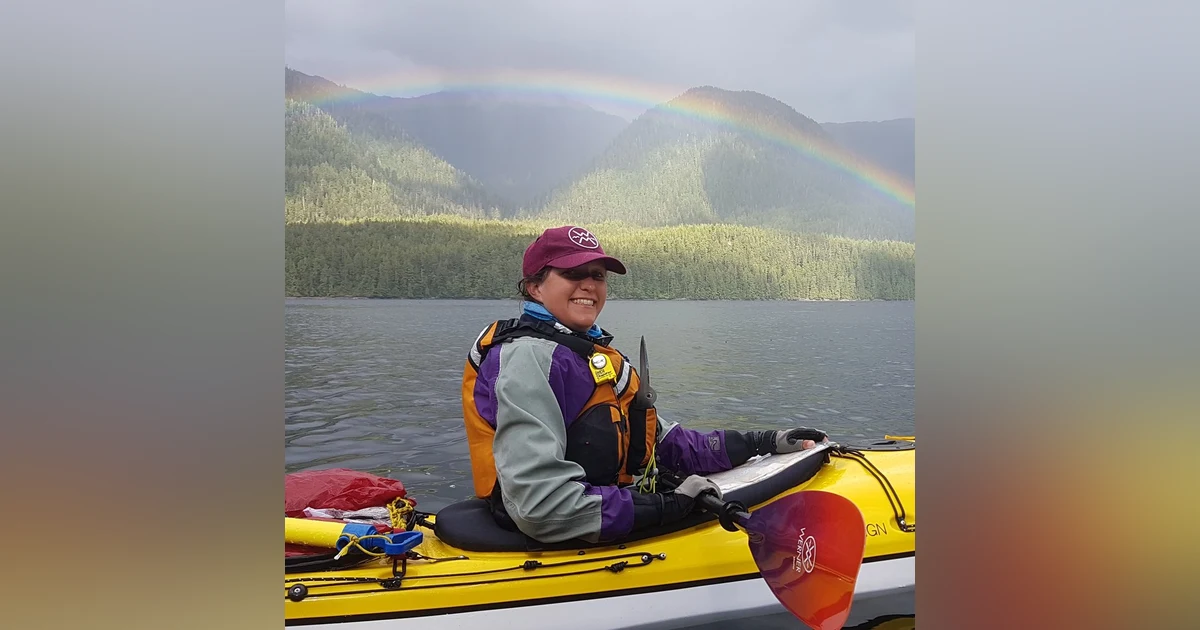
Lucy Graham is today's guest on the Paddling the Blue podcast.
Lucy fostered a love for outdoor and environmental education and guiding programs early on and that led her to undertake the trip of a lifetime along the Inside Passage. She and her friend Mathilde added a twist, making the trip single-use plastic free. In today's episode, we talk about that trip and her follow up source to sea solo of the Yukon by canoe.
00:09 - Welcome to Paddling the Blue
02:10 - Meet Lucy Graham
02:43 - Outdoor Education Journey
04:24 - Connecting with Nature
08:16 - The Inside Passage Adventure
11:33 - Going Plastic-Free
16:30 - Preparation Challenges
21:14 - Transition to Solo Travel
22:15 - Highlights of the Inside Passage
24:50 - Disconnecting from the World
26:46 - Cape Caution Challenges
32:01 - Cabins on the Journey
35:08 - The Yukon Expedition
38:48 - Solo vs. Group Adventures
50:09 - Interactions with First Nations
52:35 - Reflection on Remote Experiences
53:31 - The Yukon Journey
55:25 - Life Lessons from the Trips
56:52 - Future Adventures Ahead
58:06 - Wrapping Up the Conversation
0:01 Welcome to Paddling the Blue. With each episode, we talk with guests from the Great Lakes and around the globe who are doing cool things related to sea kayaking. I'm your host, my name is John Chase, and let's get started Paddling the Blue. Welcome to today's episode of the Paddling the Blue podcast. I have the pleasure of welcoming Lucy Graham to today's episode of Paddling the Blue. Lucy fostered a love for outdoor and environmental education and guiding programs early on, and that led her to undertake the trip of a lifetime along the Inside Passage. She and her friend Mathilde added a twist to this trip, making that trip single-use, plastic-free. We'll talk about that trip and her follow-up, Source to Sea Solo of the Yukon Baikanoe.
0:42 Before we get to today's conversation with Lucy, James Stevenson and Simon Osborne at OnlineSeaKyaking.com continue to produce great content to help you evolve as a paddler and as a coach. You'll find everything from basic strokes and safety, to paddling in tides, surfing, coaching, documentaries, expedition skills, and incident management, and more. If you're not already a subscriber to OnlineSeaKayaking.com, here is your opportunity to get started. Just visit OnlineSeaKayaking.com, use the coupon code PTBPODCAST to check out, and you'll get 10% off just for being a member of the Paddling the Blue community. For those of us who also enjoy paddling whitewater boats, their newest offering is Online Whitewater, and they're also offering the same discount to listeners.
1:24 So check out OnlineWhitewater.com, use the same code PTBpodcast to check out and explore. And I shared a trip to Alaska's Prince William Sound back on episode number 50. I'm doing a variation of that trip again, and if you've been considering an intro to Alaska, you can come along too. Experience the beauty of Alaska's Prince William Sound on this six-day experience from July 12 to 18, 2026. Along with peaks rising 4,000 feet from the Sound, you'll experience glaciers calving in the distance, catch a glimpse of the area's diverse wildlife, camp on remote beaches, and more. It's a small group experience, limited to a total of six, and you can learn more at www.paddlingtheblue.com slash Alaska.
2:06 Enjoy today's episode with Lucy Graham. Welcome to Lucy Graham. Welcome, Lucy. Thanks for joining me on Paddling the Blue today. Thanks so much for having me, John. Yeah, we were connected by Lynn Smith from Clipper Canoes. Yeah, I was so lucky to meet Lynn when I was over in Canada. And yeah, she made my trip so possible and gave me so much guidance. So it's cool to be connecting, yeah, through that mutual, you know, friend. Yes. Yes. And now it is a small world in the paddling world and the paddling community. And it's funny how we're all interconnected with one another in some way, shape or form. Even across continents. Absolutely. So we're going to talk about a couple of things today. We're going to talk a little bit about your Inside Passage trip, and we'll talk a little bit more detail, I think, about your Source to Sea on the Yukon solo trip.
2:54 But first, let's go backwards a little bit and tell us a little bit about what got you started as a paddler. Yeah. Interestingly, I didn't do a lot of paddling in my youth, but I spent a lot of time in the outdoors and doing, you know, lots of adventurous stuff with my family. And so when I finished high school, I went on to do my outdoor education qualifications and became a wilderness guide. And, yeah, taking kids out as an outdoor educator, out paddling on big rivers around Australia and lots of different places, I just found my love for paddling through that work. And, yeah, it was a really special way to, I guess, connect with nature, but also, you know, the beautiful part of paddling with other people and particularly in boats you know like canoes and stuff when you do have other people with you it's such a nice way to spend time together and yeah I just fell in love with it it was um something that I felt very comfortable doing and I did do a bit of white water paddling up here in Cairns but you know I I love the.
4:00 Ocean and, you know, the rivers that don't have as much whitewater. So, yeah, that was interesting. Okay. Now, that outdoor work that you did, was that in outdoor centers or elsewhere? It was a mix. You know, with the younger kids, I worked with kids from who were about eight years old to 17 years old. And so, the younger kids we worked with in centers, we would have you know maybe one night in a tent and a couple nights in a room and doing you know shorter trips and you know adventure-based learning and then as the kids got older we would take them out into the wilderness and do four wilderness expeditions and you know when they got into 16 and 17 we would take them out for five days out canoeing for five days or hiking for five days and I also actually got to do some really cool expeditions taking kids to India and China on some expeditions but sadly no paddling involved in those but lots of really fun wilderness experiences yeah what great experiences those must be for for kids now what kind of growth might you have seen during those trips.
5:10 Oh, so much. You know, I always said that kids learn a lot of information in, you know, everyday school. And I think in outdoor ed, they learn interpersonal skills. They learn how to support each other, how to look after themselves, how to look after others. You know, they have to have a go at leading, whether it be through navigation or, you know, helping others to get good at something that they might be good at. But more than anything, it was the opportunity to try something you're not sure you can do and challenge yourself and for the most part succeed. And I think that that's one of the, you know, the best things that anyone can learn is how to sort of look at a challenge, take it on even if you don't know you'll succeed and do your best at it because that's the skill we all need for life.
6:02 No matter what we choose to do, what, you know, what sector we work in or what we commit our time to, there's always going to be challenges. And I think, you know, if you get the opportunity to go and do adventurous activities as a young person, they really facilitate that learning. and it's a really good life skill to learn young. Yeah, the outdoors is that great leveler and often takes away those external barriers. Yeah, and I think, you know, people can really shine in a way that they might not always be able to in other settings. So what drew you to water? Oh, that's a good question. I mean, maybe it's because I live in the tropics and it's really hot.
6:46 But I think it's because I always... Spent a lot of time near water with my family. I grew up next to the Great Barrier Reef, which is, you know, the biggest reef system in the world. And we spent lots of time out in our boat, you know, fishing and snorkeling and scuba diving and, you know, also lots of time swimming in rivers. I grew up on a big river, so we were always in there in the water. And I think the thing I really love about the ocean though as an adult you know like I'm not sure what drew it to me drew me to it first but what draws me to it now is the feeling of vulnerability I feel like as humans, feeling vulnerable like actually vulnerable like I might die kind of vulnerable is not an everyday experience and the ocean for sure gives me that experience and nature gives me that experience and not in a in a bad way just in a that nature is powerful and i am a small part of it and that's a connection that i really value but it's i find it hard to really put to words properly okay i think you did it well.
8:01 So from those earlier experiences as an outdoor educator and then drawing yourself toward paddling You've done, you mentioned some smaller trips and four or five days, that sort of thing. And then you decided to go really big and go to the inside passage. So why the inside passage? Yeah. When I was 19, I, you know, I was working as a guide then back home in Australia and I did the traditional Australian thing of going into Canada to go skiing at Whistler, which I think so many of us do. But, you know, I spent a bit of time traveling around Vancouver and I went over to Vancouver Island and I was sitting on the ferry and I was looking at the islands that those ferry, the ferry over to Victoria went through and I was just like wow these these islands are beautiful this coastline is beautiful I want to come back here and paddle you know it was winter I wasn't going to be paddling in winter and then when I looked into it I was like wow the islands just keep going and keep going all the way to Alaska and I was like oh maybe I should just keep going and then I researched it some more and found out that that's something that people do and I and I sort of tucked it away in the back of my mind and it wasn't until literally you know like 10 years later that you know I sort of found myself with a friend who I thought I'd like to do that trip with and when I asked her she said yes and so it happened and it was like interesting to keep this sort of just this dream tucked away in my head and then finally you know many years later find myself
9:36 in a place to be able to do it and that was uh Mathilde, Yeah, Mathilde, who's now such a good friend of mine. Yeah. So now after you kind of raised that idea of let's do the inside passage, what was your planning process like to get ready for that? And how long was that planning process? Well, Mathilde had never paddled more than a day before. Like she'd done some day trips, but she'd never done an overnight trip. Of any type in the outdoors? Of any paddling. We had done a lot of hiking together, lots of hiking expeditions together. We also ran a student club together. We lived together. We did all these things.
10:19 And in that time, I observed that kind of attitude. You can see it when someone has the right attitude for adventure, which means basically that they can laugh when it's all falling apart. And so but you know also that doesn't mean that she's ready for it right away right and so and I wasn't either so we did two years of training and planning before we took on like went over and actually did the paddle and some of that was you know doing training and getting our paddle fitness up and you know we did some special courses you know in rescue because you know I was trained as a kayak guy but Matilde wasn't so you know I needed a brush up and she needed the skills so we did lots of you know rescue training and different things like that, and but we also yeah the reason it took so long also was because we were trying to figure out how to do it without using single-use plastic and that was a lot of trial and error so you know We often joked that if we were just going to do a paddle, it probably would have taken us a year to get ready, but we made it more complicated.
11:33 So let's talk, I would like to really dig into that, the plastic free piece or the single use plastic free. So why was that important to you? Well, Matilda and I had both been studying at university and we'd got involved in volunteering with an organization here called Tangaroa Blue. And that organization is an Australia-wide marine debris advocacy group. And we were doing a lot of cleanups and, you know, looking at the amount of plastic that we were just like finding in rivers and on beaches and the ocean. At the same time we're learning about it in university and my lecturer made me do a plastic audit of my home and you know I thought I was doing pretty good but it was shocking to me like when I actually sat down and looked at it like just how much waste I was producing so Matilda and I had moved in together and decided to go plastic free when we did that single-use plastic free and not long after that we decided to do this trip together and when we sat down and started talking about having you know three months of food and on all our adventures before that we just put our dehydrated meals in ziploc bags or take it taken packaged food we thought oh my god there's just this just ruins it all you know this this is will just create so much waste and yeah I think when we really sat down and looked at we were like surely that we can we can find a way because plastic
13:05 was only invented in the 50s. So there were adventurers before that. We can find a way to make it happen. But yeah, the motivation was really about... You know, we get to play and enjoy in these beautiful places, but we've got to keep them beautiful. And if our own participation in our adventures is making the problem worse, it's not quite lining up for us. So tell us about a plastic audit. So basically it's like get a piece of paper and go through every room in your house and look at every bit of single-use plastic that's there and it's pretty confronting the two worst places for me were absolutely the kitchen and the bathroom you imagine the kitchen like you know everything you buy from the shops almost comes in plastic from your granola to some of your vegetables to your you know if you drink milk or juice or you know all of those things come in plastic you go into the bathroom you've got your toothpaste your shampoo your conditioner your soap your this your that you know and then you know just like what what are things wrapped in have you bought birthday cards for your friends and they come in plastic instead of just you know not being plastic or you know there's so many different bits but yeah the audit is really going through and writing down every bit of
14:36 single-use plastic and the other thing I did that helped was in that house that I was living in when I did the plastic audit me and my housemates just kept all of our plastic rubbish for one month so we could see what it looked like in a pile, And it was pretty depressing. And then when you extrapolate that out over your lifetime, you're like, oh, no, this can't go on. This is just... You know, that it's all going to landfill and it can't be, you know, most of it can't be recycled. So I think most of us, when we think of single-use plastics, we go directly to the plastic water bottle. But it's much larger than that. You had mentioned a few things in there that I guess I would not have normally defined as a single-use plastic.
15:20 What were those? You mentioned like shampoo bottles and those sorts of things. Yeah. Well, the idea is that if you use it, like once you use up your shampoo bottle, what do you do with it? You toss it out. Yeah. And some of those can be recycled, but a lot of them can't. And particularly in regional areas and, you know, it's different in every country. It's different in every town. In Australia, every single town has a different recycling system. Where I grew up, there's actually no plastic recycling at all. Okay. And in a lot of remote parts of Australia, rubbish is still going to landfill or being burned. They're the only two options.
16:01 So was going single-use plastic-free difficult for you? Like, I'm not going to pretend it's easy, right? And I think it comes with a certain amount of privilege, you know, because you've got to have time. And sometimes it costs more, sometimes it doesn't. But most of the time, it costs either time or money, right? And the reality is some things you just have to give up because there is no alternative. And I think the only reason that I was successful and managed to do it was because a I did it bit by bit I didn't try and tackle all of the plastic at once I phased things out slowly we phased things out slowly and b I was forgiving to myself you know like I think the important thing about reducing your plastic consumption is like there is a huge system of plastic with lots of people making huge amounts of money from it and like perpetuating it and like the reason you choosing to reduce plastic is important is because you tell a lot of people about it and you use your voice to talk about why it's important to do that and you have conversations with your friends and family and you start you know to reduce the user demand for it but not being so like dogmatic about it that you punish yourself if you ever use a bit of single-use plastic you know and i think you can only really sort of maintain it if you have the forgiveness for
17:33 yourself that you still live in a system that uses plastic you know yeah absolutely yeah so now did you you went single-use plastic free on the on the trip um. But did you have single-use plastics involved in your preparation process getting ready? So it was like, did you take the shampoo and pour that into something else so you're just not bringing the single-use plastic with you? Or how did you eliminate those things beforehand? No. So, look, to be honest with you, I just didn't really wash my hair much for the trip. But what we did do is we did some workshops and we learned how to make our own soap and shampoo and conditioner.
18:20 But, you know, if you're not that excited about being plastic free, you can get sort of shampoo bars and conditioner bars these days that are kind of like a bar of soap, but they're conditioner and shampoo. So, I just took those with me. We made our own toothpaste and we made our own moisturizer. Which was funny because it was great. But at one point I remember rubbing this moisturizer on and I was like, wow, I think this must be the best smelling thing that I have on this trip. And I'm just like basting myself up for the bears. But yeah, so as far as like those sort of bathroom products went, you know, we made a lot of our own and we took plastic-free options.
19:06 We made our own repellent with, you know, like essential oils. And yeah and then we we spent the big trial and actually there was there's a lot of information out there about all those bathroom products because you know there's a lot of people using them at home and figuring out how to do it but was what there wasn't any information about was how to do the food how do you prepare dehydrate and store food for you know well the longest package sat there for almost five months and that was the big challenge okay what did you have the most trouble giving up other than the food packaging. Milk. Okay. Milk, yeah. Unfortunately, I can't eat dairy anymore.
19:50 My bodies decide to reject it. But, like, I loved having milk on my cereal in the morning. And even when I stopped having, you know, dairy milk and I switched to non-dairy milk, I was, you know, still using Tetra packs, which have a lot of plastic in them. And it took me ages. And it shouldn't have taken me ages, but it took me ages to figure out just to use orange juice. I just put orange juice on my breakfast in the morning now. But yeah and also cheese I was really sad about cheese but also now my body won't let me eat it so that's fine but you know some of the more everyday things that can be hard to give up are just like snacks like you can't get snacks that don't come in single-use plastic unless you make them yourself and you know I'm I always say like some people are foodies I'm an eatie you know I I just want to be fuelled.
20:45 So doing lots of baking and cooking is not my love. So in the course of being more environmentally friendly by eliminating those single-use plastics, you took some things out of your diet that you don't have to have there in there anymore. Yeah, and not everyone has to do that when they give up single-use plastic-free. And it's interesting the difference between Mathilde and I. Mathilde's French, and she is like a real foodie, right? She loves her food. And so she's really into finding all the alternatives. and she does like spends a lot of time you know like finding things to substitute the plastic items whereas I sort of am the kind of person who just like eat the same dinner every night of the week because I meal prepped on Sunday I would rather be like out climbing rather than home cooking myself dinner and so yeah it's really interesting how differently you can approach it And I was the thing, I sort of took the approach of, well, now I just eat these things.
21:48 Whereas Mathilde took the more elaborate approach of now I've replaced all these things with alternatives, you know? Yeah. All right. And it also depends where you are, you know, in the town we live in, we're really lucky that there's a couple of bulk food stores and community cooperatives. And we also live in an area that grows a lot of fresh local food. So we don't get our veggies all wrapped up in plastic, you know? Good to hear. So let's talk a little bit about the Inside Passes trip specifically. What were some of the high points of that trip? Whales, just whales every day for the first two months. It was just mind-blowingly beautiful, the sea life there and the seals.
22:33 And, you know, we just, where we live in Cairns, we don't have that kind of big, we have whales, but, you know, like they're not so numerous and we don't have seals and, you know, all those cute things that you guys have. So that was a big highlight. And I think just, you know, it was the first trip I'd ever done where I got to spend that long out and, you know, after a month your brain just forgets to be busy and it's beautiful. You just sort of find your brain at peace in a way that it isn't in the everyday lives we live and so it was a mixture of the beautiful mountains and the landscapes and the wildlife combined with this like deep sense of peace out of curiosity so you mentioned your brain just kind of gets used to that freedom did you try to or did you, somehow be connected to what was happening in the world during that trip and how many i mean we had a support team and you know there was some things that happened along the trip like Like, Matilde had a family member get sick and, you know, I had some, like, you know...
23:51 Contact with my old work wanting me to come back when I finished and like a couple of little things like that but we and and you know along the way we had arranged to do talks in communities about plastic and about marine debris but other than that we disconnected and I think that's what I like about these trips is that you you get permission to be and you and I'm someone who I think deeply about the world and the well-being of humanity is meaningful to me. So I can get overwhelmed sometimes by the bad news and the hardship of human existence.
24:35 And so not being exposed to that through all of the channels that we have in everyday life with the news media and social media and just like day-to-day conversations, I think is such a good break for my brain. So did you make a conscious choice on that trip to stay disconnected from all those crazy things happening in the world? Yeah, we did. And we also actually on the Inside Passage trip, Matilda and I didn't take music. We didn't listen to podcasts or, you know, we took some books with us, like physical books. But other than that, we went tech free. And that was amazing. And so, yeah, it really made us present in our time together and present in what we were experiencing.
25:21 All right. That's pretty cool. What other high points did you experience in terms of the trip itself? And Stephen's Passage was pretty phenomenal. We didn't have the best time there, but it was a big high point, you know, in being out in big, big fjords like that, those big channels that you have to cross. And feeling really proud of ourselves when we crossed Stephen's Passage and, you know, got into some of the islands. The island systems around Ketchikan and Bella Bella were just mind-blowingly beautiful. And that was, you know, a big high point for me. Just and one of the places I've often thought I'd really like to go back to and yeah and absolutely Cape Caution you know like that for me was was the bit where I just breathed like this big sigh of relief and it was such a high point that we'd got through it and it went so well and yeah and, And, and I think also, you know, meeting the communities along the way, there were so many beautiful people who we met on that trip who just, it was so funny because in our preparations, we're like, oh yeah, we'll sort of get into the towns and we'll want to get out of there quickly because, you know, we're doing our wilderness thing.
26:34 But actually the people along the way became some of the best highlights. You know, it was, it was awesome. Always, always about the goodness of people. Wow. So you mentioned a couple of things in there, Stephen's Passage, and you slipped some words in there. You said we didn't have the best time there. So tell us about that. Well, I mean, so it's a really big crossing, right? It's aboutâ¦, It's like it's between 20 and 30 kilometers across this big crossing and there's one island in the middle and this sort of wind was blowing up as we crossed and we got to the funniest thing. We got to the island in the middle.
27:15 We stopped for lunch and I was really cold. This wind had blown up and I crouched down, you know, behind this big rock to try and shelter from the wind and Mathilde came over to me. She said, Lucy, what are you doing? And I was like, oh, I'm sheltering from the wind. And then she's like, Lucy, you're on the windward side of the rock. You need to be on the other side. And I was just so cold and done in that moment. And, you know, then we had some tea and I had some lunch and I got my, like, head back together. And we then, you know, finished the crossing and we got to a camp and we camped in this, like, swamp, right, this musket swamp.
27:57 It was not a fun camp. It was like, we have just paddled all day. It's 9.30 p.m. We need to set up camp and get off the water. So we just like made it work. But then 45 knot winds blew up the next day and we got stuck there for three days and it was just the worst. It was like everything was wet. The sleeping bags were wet. It was, you know, there wasn't like a creek or anything for us to fill up water. So we were filling up our water from the swamp. So it like kind of looked like tea already because it was so there was so much tannin. The water was so tannined and it was just, yeah, it was just a miserable time.
28:41 But, you know, eventually it passed. Three days we were stuck there and eventually it passed. But yeah, it was pretty, it was a pretty trying time. But you ended up with a great story. We ended up with a great story. And it probably wasn't the hardest time we had. We did have the tide come up under our tent one night and cause us a lot of chaos. But, you know, we managed to laugh that off as well. So it's not a trip that comes without its challenges. That's for sure. Certainly. And keep caution. Why was that such a relief for you? I think for me, you know, like a lot of people think I'm really adventurous and I love risk taking, but what the reality is, I'm really adventurous and I'm really good at assessing risk and making it acceptable for my, you know, standards.
29:29 And, you know, most of the paddle, most of the inside passage is protected from islands, but Cape Caution is completely exposed to the Pacific. It goes from really deep ocean to really shallow ocean. I just read so many accounts of paddlers getting, you know, stuck in really bad conditions around Cape Caution or waiting for weeks just for there to be good weather. And the night before we got to Cape Caution, we had the one and only lightning storm, which was a ferocious lightning storm. And I was just sitting there like, this is an omen of doom. We're going to have a terrible time. and the next day it was just like perfectly flat weather we had the best conditions you could have to go around Cape Caution yeah and so I think you know for me I guess there was just a lot of unknowns and like and elements you can't control and so you know and that making decisions about whether or not you start the day because once you start the day you're committed and so you know and as we know conditions on the ocean can just change so quickly so there's just like also the reality of like you might start the day on a really nice day and it might just turn really bad by lunchtime so and that happened to us so many times on the trip where we'd start with this beautiful day and then by lunchtime you know in 20 to 25 knot winds and it's like a choppy ocean or the wind and the tide are against each other and so I didn't trust
31:01 that it was going to stay calm so I felt slightly on edge all day. And then, yeah, we got to the beautiful cabins that are just around the other side of Cape Caution, if you're heading south to north, which, sorry, north to south, which we were. And, yeah, it was just beautiful to... Come to a warm welcome from a paddler's cabin. So somebody had given me the advice a long time ago, and a number of guests have given me the same advice. And that is when thinking about a trip of this magnitude, think about it as a series of one day trips where every day you're waking up, making your assessment, figuring out what you're going to do, and then just continue on from there. Yeah, it's so true. It's so true because you can't, you don't have control and you don't have control of what's happening in the next hour, let alone the next day.
31:51 And I think like the reality is we never have that, but it's much easier to pretend in everyday life, you know? So yeah, you just have to be adaptable. You had mentioned the cabins and just real quick, tell us about one of those cabins that you encountered along the way yeah so i guess because a lot of people paddle you know from vancouver island and north up the coast there and so just before cape caution is this beach area where a lot of paddlers have to wait out bad weather until they can go around cape caution and so paddlers have built some beautiful little. Cabins and probably cabin is like a too big a word for it they're like very nice wooden shacks made from like driftwood and logs of wood and they have little stoves and a little bed you can sleep on and and yeah I had read about them in the book that Susan Conrad wrote about her trip through the Inside Passage and I was just really excited to find them because they just sounded really, beautiful and and they were and and you know you could feel I think you could just feel the sense of place in there that that this was a special place that paddlers had sort of created for all of us to have shelter and I don't know it was it was really special to be there and of course there's little tiny mice in there because they're all sheltering from the storms as well and the cutest thing I woke up in the middle of the night with a tiny mouse sitting
33:23 on my cheek And I wasn't even mad about it because it was so tidy and cute. I just let it sit there. And I went back to sleep. I don't know that everybody would have the strength to do that. I know, but it's tiny little feet was so cute. Yeah, I'm a unique human. It was just a situation that I accepted. It was a situation ship with the mouse. All right. So that sounds like a fantastic trip. How long was the trip? It took us 89 days. Yeah, we planned for 90 and we took 89. So that was pretty cool. All right. What'd you do with all the extra food?
34:04 Uh we gave it to our friends who were backpacking in vancouver and they were stoked yeah yeah super well i'm glad you had the chance to experience that over over 89 beautiful days, oh it was incredible so that then leads you to another trip you and that wasn't enough alaska and canada that you then decided to do source to sea on the yukon solo so tell us about that one yeah so i guess you know i had had made some big plans with a friend of mine to go paddling in new zealand in 2020 but i think we all know how those plans eventuated given the covid pandemic and so you know a couple of years ago i started feeling that itch you know i was like i haven't i haven't done any big expeditions i've been doing a lot of really great work that I've been enjoying, but I haven't, my adventure soul has been put to the side for too long, you know, and I'm ready to do another trip.
35:03 And I really wanted to do a multi-month trip. But, you know, it's a pretty, it's, there's just not many people in the world who want to do that, is the reality. And Mathilde, you know, has bought a sailing boat with her partner and they're going on this amazing sailing adventure around the world at the moment. So she, she's busy. And so I thought, look, I really want to see if I can do a solo trip. But being solo, I thought, I'm not sure I want my first solo trip, big solo trip to be on the ocean because there are a lot of variables and challenges and there will already be enough of those being solo.
35:43 And so I thought, I'll try and do a river trip. And so I looked at a bunch of big, long rivers in the world. I looked at the Murray Darling, which is a beautiful river here in Australia. I looked at the Mekong in Vietnam. I looked at the Amazon. I looked at the Yukon. The Murray-Darling here is an amazing river, but it is really severely impacted by drought and irrigation. So there are large sections that are, you know, quite dry and affected and damaged. And, you know, it could be a challenging and be a bit sad. And then the Mekong was like several languages and very remote and a little bit dangerous potentially as was definitely the Amazon and so and then the Yukon you know back in Alaska in this beautiful country you know a similar the same language and you know a bit more certainty and and so yeah the Yukon won the river competition and and to be fair that that was like how I came to that decision and and then I really liked the idea of you know like how close together those two big trips are and you know like.
36:52 Going back to Alaska and Canada, the nature, you know, is just so beautiful. So yeah, I guess. And then I just started planning it. So of all those choices, you picked the Yukon because it was easiest. Yeah, basically. Yeah. But it's not easy. The most accessible, but it's not easy, but it was the easiest of the options that I've sort of made a list of. Yeah. Certainly not a simple journey but but no so why solo. I mean, apart from just sort of not being certain, like not necessarily having someone that jumped to mind to do it with, I also just wanted to spend some time by myself.
37:39 You know, the job I had for five and a half years before I finished up that job and went to do this trip, I worked as the CEO of a regional conservation organization here. And as a regional group it's deeply grassroots and very connected to the communities that I live in and I grew up in and it has a lot of responsibility not just in the work that you're doing but you hold a lot of space for a lot of people and you know you you are the person that a lot of people turn to for support and guidance and you know to try and solve a lot of ecological and environmental issues and so you know for a long time I had been holding a lot of space for other people and, having a lot of responsibility for others and the environment and my communities and while I still hold that in different ways I think I was just really ready to spend some time with myself and you know just have time to be with myself and only have to worry about myself for a bit, which is a great privilege, you know, to be able to walk away and do that.
38:48 So your previous trip with Mathilde on the inside passage, you had another person, this one, your solo, aside from just not having another person physically there, how was that trip different? It was different in almost every way. A lot of this trip, I was talking about a condition I have, which is endometriosis. And when I did the 2018 Inside Passage trip, I was undiagnosed and really symptomatic. And so, you know, which I won't go into because it's very detailed, but let's just say it made the trip extremely challenging because I had all of these physical symptoms.
39:31 And this trip I am now diagnosed I have all these management strategies and so like physically the trip was much easier because I am much healthier than I was when I did the inside passage trip and then you have the fact that it's a river and so you know there's a whole heap of complexities with tidal currents and swell and all those things that as much the case on the river but then the river oh my gosh I've never paddled on a river like the Yukon it is so volatile in a way you know because there's just so many watersheds draining into this river and so you know there there it was very unpredictable and it really took a lot of adjusting to how to paddle on that river and then you know the the inside passage was remote but the alaskan part of the yukon was way more remote and so just feeling confident that i had everything in place to be safe in those you know sort of areas and look after myself and.
40:42 The fact that if you're alone, the risk of bear attack just skyrockets. So, you know, making sure I'm being really bear smart in my expedition. And then interestingly, you know, obviously the decision-making is really difficult on your own. You know, like on these trips, you have to make so many decisions every day about should I paddle close to the shore? Should I paddle a bit off the or should I camp on this island or camp on the shore? Where is there more likely to be bears? Where is there more likely to be dangerous wind or sandstorms or mud or, you know, whatever it may be? And you have to do that all by yourself. And I think that's a really big difference is just relying on your own sort of intuition and experience and backing yourself in in those moments.
41:33 But then the one thing that surprised me was the times when I missed someone the most was in the moments I wanted to celebrate something or like I was amazed by something and I would be like wow look at that or like this is amazing and you know a part of joy is sharing it and and that surprised me was actually some of the moments I miss people the most was when I thought something was really cool and exciting. And there's no one to share it with. Yeah, except my canoe, Sunny. We shared a lot of things together. Now, that's another thing that was different. So your inside passage trip was in a kayak and you moved to a canoe for Yukon. Yes. Unlike many paddlers, I am vessel agnostic.
42:17 I think it's because, you know, I went into guiding sort of straight away and I didn't come into paddling as like taking up a sport and loving it. I came into guiding and I was like, I'm a canoe guide. I'm a kayak guide. I've paddled in outrigging clubs. And for me, I think there was two reasons I chose a canoe. A, I wanted to do something different and rivers speak to me, like canoes are for rivers, I guess. So, you know, well, they're for the ocean as well, but I was really excited to, you know, canoe on the river, but also like canoes are just like radically more comfortable than kayaks. You know, you can change your sitting position and move around and you know like you know it was just like but yeah the paddling is much more challenging in a solo canoe than in a kayak for sure and in terms of gear management i mean aside from trimming the boat it's it's put it all in and ready to go yeah yeah the only thing that you have to be careful of is where you decide to put your food because as you slowly eat it down the trim changes.
43:23 Tell us about some of the highlights of the Source to Sea Trip. I started on Atlin Lake, which is, you know, there's debate about where the actual source is, but it's one of the sort of glacial lakes at the very headwaters of the Yukon. And yeah, just being in those mountains, these lakes are like 100 kilometers long. It's mind-blowing how big they are. And they challenged me. I had like 50 kilometer hour winds to 70 kilometer hour winds with big swell on some of those lakes. And in a solo canoe, it was rough, but it was also just so incredibly beautiful and, yeah...
44:05 Even though I cried because I had some really rough times out there, it was just phenomenally beautiful. And if anyone's thinking of going and doing that trip, don't skip the lakes because those mountains and those lakes are like nothing you've seen before. Even having been up in Glacier Bay, it's of that kind of nature, but it's different again. And then I think every section had its highlight from Whitehorse to Dawson. And it was the current and, you know, the incredible sort of clear waters and then seeing all these big rivers come in, you know, the first silt entering into the, you know, where the Big Salmon River and the White River joined the Yukon.
44:47 You see the river change colours and it's very dynamic and the big basalt cliffs where the lava met the ice. And, you know, there's also all this history from First Nations as well as the Gold Rush history. So it's a very, you know, it's a world heritage area. So there's a lot to learn, a lot of signage and a lot of information and good guidebooks for that section. And there's other paddlers through there. And I met other paddlers through there, which was really cool. The flats were exciting in their own way because they just like, I've never paddled in anything like the braided river sort of sections and the sloughs through the flats are really interesting and these big cut banks and just like you could cut, you know, just the horizon just goes on and on.
45:33 But the delta for me, it's interesting because the delta is the section that has the worst wrap, you know. It's like it's muddy, it's full of mosquitoes, it's windy, it's like hard work and it just goes on and on and on. And all of those things are true, you know. it's like 800 kilometers of mud and mosquitoes and you know sort of wetlands but the bird life is out of control you know these like huge flocks of geese and sparrows everywhere and big moose down there as well and yeah I don't know I just um and I think because you're at the end of your trip I felt so you know I spent a lot of the start of the trip being like oh my god what am I doing am I ever gonna make it but by the time I got to the the delta I was just like I'm gonna make it nothing can stop me I'm having the best time there's amazing birds everywhere so So, yeah, it was cool.
46:30 So that actually makes 800 kilometers of mud and mosquitoes sound interesting. I know, right? And like, I don't want to downplay it. It was rough. I paddled, I think there was like one week, it was like an eight day stretch where I paddled against headwinds and rain every day. And I was just like, God, I'm so ready for this to be not the case. But, you know, in amongst all of that, like there were things I had never seen before every day. So, I don't know. I would absolutely say the Yukon is a world of contrast. You know, it's like with every moment of beauty, there's a little bit of hardship in there, but that's what adventure is about.
47:11 So, you know, it's not an adventure if it's easy the whole time. Right. So, you mentioned things that you've never seen before. Give us a couple of examples of just some of those things that just really blew your mind. Well, I'd never seen a moose before, and they are pretty weird, I'll be honest. Like some of them are proportionate, like, you know, the big bulls. But like the first moose I saw, I looked at it, and my brain was just thought, alien. And then I was like, oh, no, that's a moose. And it was these sticky, sticky, stick legs with these big bodies. It was like, you know, when a child draws a picture of a horse, like a round body and these sticks coming out of it.
47:53 But you know they're still incredibly majestic but yeah I lost I lost it the first time I saw one I just laughed and laughed I was like I don't you know because all of the all of the moose pictures you see as an Australian are these very like you know full fully grown sort of mostly balls with a rack and they're all muscly none of this like spindly little baby moose with like funny legs that can't quite get it together so yeah that they were beautiful though and amazing and you know we we don't have swallows and sparrows in such great diversity that um you find on the Yukon and the otters not sorry I saw otters which were amazing I had never seen river otters before but I'd also never seen beavers before and man beavers are also so funny like they were you know everywhere and they get really like aggro about you being around and slap their tails really hard on the water and you don't always see them because like there's also so many log jams on the Yukon and you know the difference between a log jam and a beaver hut as an Australian is not that discernible sometimes and so you'll be paddling a pasta pile of logs and all of a sudden what bang this like otter's like come on mate you're in my territory time to get out and you're like, sorry, just passing through, nothing to see here.
49:14 And, you know, and just like also the sandbars, you know, the river itself was, you know, we just â. Our rivers don't behave like that. These like, you know, how it freezes over in summer and then basically, sorry, freezes over in winter and basically effectively floods all summer. And, you know, where islands disappear and form in one season. And so, you know, like camping on sandbars for me was a really different experience and quite disconcerting at times. And, you know, particularly with the big lightning storms, I'm like, wow, my tent is the highest thing on this sandbar. And now I'm in a lightning storm. This is exciting, fun times.
49:58 But yeah, I think there was a lot of just landscape that I hadn't experienced in the way I did on the Yukon. You'd mentioned First Nations. Did you have much opportunity to interact with First Nations peoples along the way? Yeah. When I prepared for the trip, I did my research and found out what all the different clan groups were along the river and sent their representative groups an email to each one saying, you know, I'm coming along the river. I'd really like to meet you if you have time. If not, that's fine. And yeah, I had some of them get back to me and say we'd really love to meet.
50:41 And so I got to, you know, sit with some of those chieftains from the, It was mostly in Alaska, the remote communities along the river, and twice that happened that I got to sit and just have a chat with the tribal leaders. And that was just amazing to hear the incredible work that these First Nations people are doing, you know, trying to bring culture and language perspective. Back after colonization and also to, you know, bring back some of those more traditional ways of, you know, teaching and learning. And in the context of, you know, the salmon fishery crashing on the Yukon, that's been really difficult, but there's really passionate leaders who are really making the most of the situation.
51:25 And actually, I stopped at the cultural center in Dawson, which is like, it's just phenomenal. If anyone goes through there, They should definitely make the time to stop in. They show you this 15-minute video that sort of goes through the history of Dawson and Chief Isaacs, the leader who was sort of around at the time of, you know, when the gold rush was happening and those colonial sort of histories started. And yeah, it was just, and then you sort of walk through their gallery and hear about the incredible culture there sort of and language work that they're doing and bringing back. And I found it really, really inspiring. And just like beautiful to learn about. And also just every, particularly in Alaska, basically once you go past Eagle, every community you paddle through is a, you know, remote First Nations village.
52:13 And everyone was just like so welcoming and so excited to, they call you a floater or a drifter. Oh, you're a floater. Yeah. Where have you come from? What are you doing? And do you want to come and have a cup of tea? Or, you know, like, do you want to use like the, they have these washeterias where you can like have a shower and do some washing and yeah, just incredibly welcoming. Which of the two trips felt more remote? Well, I think the Yukon did. And I'm not sure if that was because I was alone for more of it. But I think it's because, you know, on the inside passage, even though you don't see as many paddlers, there's a lot of fishing boats and sailing boats and cruise ships. And, you know, there's a lot of boat traffic.
52:55 And there is boat traffic on the Yukon skiffs and people going up and down the river from community to community. But, you know, like I went, I went, the longest stretch I went was like 23 days and I saw two people in that time. So, you know, that was not the case on the inside passage. Yeah, the Yukon, like the Alaskan part of the Yukon definitely felt the most remote of the two. 23 days with just two people. That's pretty remote. I know. Yeah. And I enjoyed it. Good. How long was that trip? 70 days it took me, yeah, to do the Yukon Solstice Sea.
53:36 Would you do it again? And if so, what would you do different? I would absolutely do it again. I'm still fantasizing about it. I would, like, after I did the lakes section before Whitehorse, my reflection was I would not recommend people doing that part in a solo canoe unless they definitely experience canoes but I would I would do it again but I would allow myself more time like 15 to 20 days for the lakes instead of 10 so you can really like wait out some wind and take your time and have lots of food and just like not stress about what the plan was you know, So I think I would do the lakes a bit differently. And, you know, like the thing that made me so happy is apart from that, I'm not sure that I would change much.
54:32 I really had the most amazing trip and the things I thought were hard were hard. And the things I thought I would enjoy, I enjoyed. And all my planning went to plan. Like, it was great. How did the two trips change you and how did you carry that through to daily life? I feel like it's easier to remember that for this most recent trip. So I think the first trip changed me in that now I know I can do big trips and I want to do more of them. And before that, it was just like, I don't know why I'm doing this. I hope it works out for me. And it did. And I found that part of me that just loves those big trips.
55:17 So I think that's what changed from the first trip was just like knowing that that was something that I loved and that I would want to do again. And I think, you know, on this trip, anyone who knows me would say I'm an extremely busy person who likes doing stuff all the time. And I do. I just love being involved in my community and doing lots of things. But I think what I rediscovered and reminded myself on the last trip was how important it is just to be. and that being is an important activity in itself. And what I mean by that is just spending time without a plan, not engaged in anything, just relaxing or sitting around in nature and just existing without any kind of thing that needs to be achieved.
56:09 I spend so many hours on the Yukon just sitting at my camp staring into nothingness without anything going on in my brain and not achieving anything you know in the afternoons after I'd sort of set up camp and was just sitting around staring at the river, and I think I'm trying to take more of that into my life is the importance of being and the importance of maintaining time for your relationship with yourself and just like a sense of lightness you know I really needed a break and I just came back feeling so refreshed and happy and light and I just want to carry that on. So what's next? Well, chilling for a bit.
56:52 But, you know, I, well, now I've discovered that I didn't really realize that there's a railway track that goes from Skagway to Whitehorse. And so I think I'm really excited. It's just a small trip, but like I want to go back, paddle from Glacier Bay where we started our inside passage trip around to Skagway. And then like make my way up to Whitehorse, either on the train or maybe trekking. I don't know. And then I'm thinking maybe I might actually do a bikepacking trip as my next big trip, which, you know, get out of the boat and onto some wheels. I don't know. But, you know, in the meantime, I've rejoined the outrigging club here in Cairns.
57:34 I'm in a canoe, but with a big arm on the ocean. And I hope that next year I can start doing some regattas and, yeah, maybe join some of the teams who are doing the racing. Our club went to the Worlds last year and won some of the regattas there. So, yeah, who knows what the next big trip is, but for now it's just continuing the adventure in life. The inspiration will come. It will. It will. It always does. It just comes to you one day. Well, congratulations on both the Inside Passage and Source to See Solo on the Yukon. And so those both amazing trips. I appreciate you joining me today and being able to share those trips. So how can listeners connect with you?
58:18 Well, we have a website, which is passageadventures.org. And you can find on Facebook and Instagram passageadventures. And yeah, I'm actually posting update from my diary on the Yukon every day at the moment with a little photo and a little excerpt. So if you, I think I'm up to day 25. So if you want to relive the trip with me, you can check out our social media. But yeah, there's also a blog from the trip on the website as well. So lots of ways to engage. Excellent. Well, we'll put those in the show notes so folks can check those out and follow along virtually with your trip. Thank you. Yeah, one final question that I have for you. who else would you like to hear as a future guest on Paddling the Blue?
59:00 Well, Matilda and I were lucky enough to meet an amazing Australian woman called Sandy Robson when we were preparing for our Inside Passage trip. And she did an incredible trip from Germany paddling to Australia over five years and, you know, retracing the steps of a very, you know, incredible German paddler. And, yeah, she gave us some of her time to, you know, with giving us advice and recommendations and is a big inspiration for me. So I think she'd be really cool to have on the show. Super. Well, I will work with you to connect with Sandy and talk about her retracing of Oscar Speck's route and go from there.
59:42 So, Lucy, I really appreciate you taking the time to share these two trips with us and share the experience and share how they changed you and all you experienced along the way. So thank you very much. Thanks so much for your time and for hosting this incredible podcast. If you want to be a stronger and more efficient paddler, Power to the Paddle is packed with fitness guidance and complete descriptions along with photos of more than 50 exercises to improve your abilities and enjoy your time on the water. The concept and exercises in this book have helped me become a better paddler and they can make a difference for you too. The exercises in the book can help you reduce tension in your shoulders and low back, use the power of your torso to create leverage and use less energy with each stroke, use force generated from your lower body to make your paddling strokes more efficient, have the endurance to handle long days in the boat, drive through the toughest waves or white water, protect your body against common paddling injuries, and while you're at it, you might even lose a few pounds.
1:00:40 And who wouldn't mind that? So visit paddlingexercises.com to get the book and companion DVD. Thanks to Lucy for sharing her experience, and thank you to Lynn at Clipper Canoes for helping make the connection. I loved Lucy's vivid descriptions, and I couldn't stop laughing when she described her first encounter with a moose. What a great experience on both trips, but I'm not too sure how I would handle the mouse on my cheek. You'll find links to Lucy's blog, Passage Adventures, along with a link to the video log of the Inside Passage trip in the show notes for this episode at paddlingtheblue.com slash 150. If you're interested in joining me in Alaska in July 2026, learn more at paddlingtheblue.com slash Alaska.
1:01:21 And if you're not already a subscriber, the online sea kayaking.com or online whitewater.com. Remember you can visit either of those two sites, use the coupon code PTB podcast to check out and you'll get 10% off just for being a member of the paddling the blue community. Thanks as always for listening. And I look forward to bringing you the next episode of paddling the blue. Thank you for listening to Paddling the Blue. You can subscribe to Paddling the Blue on Apple Music, Google Podcasts, Spotify, or wherever you find your favorite podcasts. Please take the time to leave us a five-star review on Apple Music. We truly appreciate the support. And you can find the show notes for this episode and other episodes, along with replays of past episodes, contact information, and more at paddlingtheblue.com.
1:02:05 Until next time, I hope you get out and paddle the blue.


