#154 - Multi-modal solo kayaking and cycling on the US west coast and the Inside Passage with Katrin Tomanek


 Apple Podcasts

 Spotify

 Overcast

 Castro

 PocketCasts

 RSS Feed
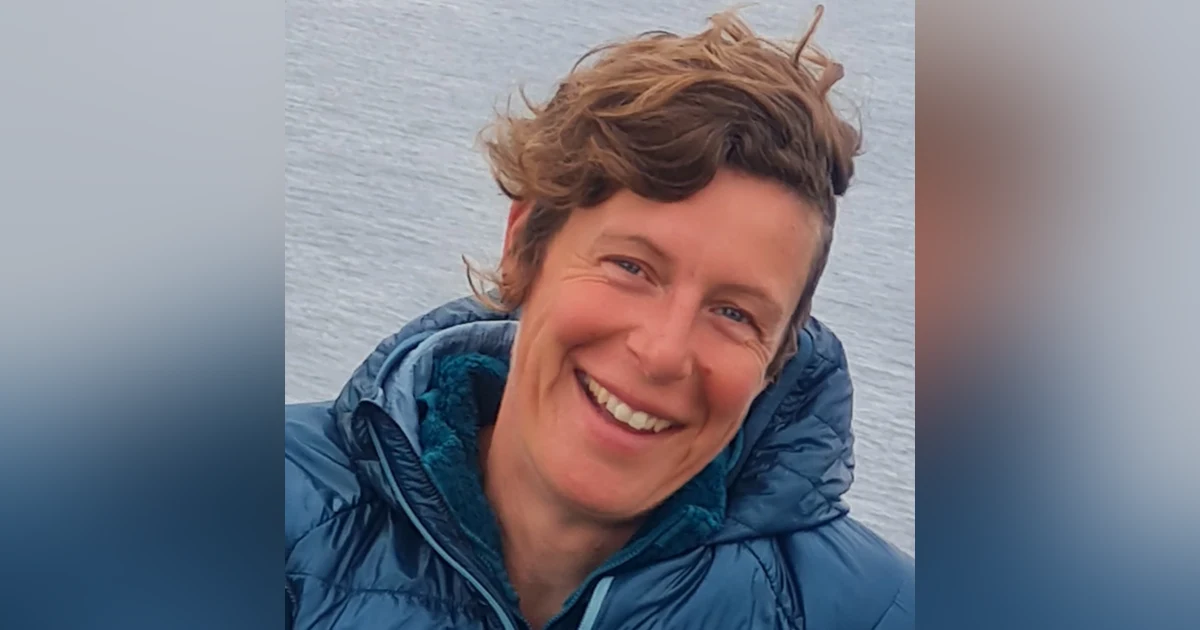
In this episode Katrin Tomanek describes how she moved from climbing to kayaking and developed a style of multiimodal trips that combine sea kayaking and cycling to minimize driving. She shares how she learned skills, used careful planning and spreadsheets, and progressed from local trips to big expeditions.
Katrin recounts standout journeys including a foggy, remote Lost Coast outing, a 52‑day mostly-solo paddle through the Inside Passage, and a counterclockwise circumnavigation of Vancouver Island that finished with a bike ride across the island. She discusses navigation in fog, wildlife encounters, food and gear choices, and how solo days and unexpected social connections shaped her experience.
Enjoy today’s discussion of learning and discovery!
Connect:
00:09 - Welcome to Paddling the Blue
01:26 - Meet Katrin Timonik
03:21 - Building Kayaking Skills
04:21 - First Sea Kayaking Adventure
06:52 - Discovering Multimodal Trips
08:38 - The Lost Coast Experience
15:52 - Lessons Learned from Adventure
17:21 - Solo vs. Social Paddling
18:26 - Big Sur and Alaska
19:15 - Inside Passage Preparations
22:01 - Experiences from the Inside Passage
29:33 - Navigating Vancouver Island
37:47 - The Outside Coast of Vancouver Island
41:59 - Transitioning to Biking
43:23 - Future Adventures Await
45:49 - A Recommended Adventurer
46:48 - Closing Thoughts and Reflections
0:01 Welcome to Paddling the Blue. With each episode, we talk with guests from the Great Lakes and around the globe who are doing cool things related to sea kayaking. I'm your host, my name is John Chase, and let's get started paddling the blue. Welcome to today's episode of the Paddling the Blue podcast. Katrin Timonik started paddling only a few years ago and has since decided to focus on multimodal trips using a kayak and a bike with as little driving between her start and end points as possible. She started with a three-day trip and expanded her reach to the Inside Passage and Vancouver Island. So enjoy today's discussion of learning and discovery. Before we get to today's conversation with Katrin, James Stevenson and Simon Osborne at OnlineSeaKayaking.com continue to produce great content to help you evolve as a paddler and as a coach.
0:47 You'll find everything from basic strokes and safety to paddling in tides, surfing, coaching, documentaries, expedition skills, and incident management, and more, including their newest course, Greenland Rolling. If you're not already a subscriber to onlineseacayaking.com, here is your opportunity to get started. Visit onlineseacayaking.com, use the coupon code PTBpodcast to check out, and you'll get 10% off just for being a member of the Paddling the Blue community. And for those of us who also enjoy paddling whitewater boats, their newest offering, Online Whitewater, offers the same discount to listeners. Check out onlinewhitewater.com. Use the coupon code PTBpodcast to check out and explore. And speaking of explore, enjoy today's interview with Kitren Denoptimonic.
1:31 Hi, Katrin. Welcome to Paddling the Blue. Hey, John. Thank you for having me. Yes. Nice to virtually meet you. I'm looking forward to the opportunity to have a chat with you. So first, tell us a little bit about you as a paddler. I started kayaking probably rather late in life, about this point, seven years ago, after I had a about 10-year climbing career, climbing everywhere in the world. And when I moved to the United States in 2014, I really was super excited about climbing in Yosemite. Climbing in the CRS, doing all these things very intensely for one year until I was so burned out of driving from San Francisco to Yosemite about every weekend that I started to look for local adventures.
2:15 And that first brought me to cycling and then more accidentally, actually, to kayaking. And the accident was that my sister visited me here and we've been planning on doing some other things, but she had torn her meniscus. And for that reason, she barely couldn't do anything. And we just drove around the coast and we happened to find a sit-on-top kayak at a campsite we stayed at in the larger Mendocino area. And, you know, we took this bulky, huge sit-on-top kayak into the ocean, knowing nothing about it. And we had a ton of fun. And that basically started everything. Okay. So a sit-on-top started it all for you. All right. So we took it out another day, you know, wearing wetsuits, not knowing anything.
3:01 I think from what I remember, we maybe had three to four foot waves, but we got totally pummeled. And, you know, luckily we didn't get injured because we really had this huge kayak on top of us mostly. But yeah, it started a huge motivation and then it took me another couple of months actually into the next year in 2017 for me to actually get starting and take classes. Okay. Now, how did you build your skills to get ready for the trips that you've undertaken since then? I started with whitewater kayaking and specifically with classes. I took a class or two classes from Liquid Fusion up in Mendocino. I started extremely impatient because, you know, I had this 10 year of climbing career behind me, which, you know, it took me very long to build up skills.
3:42 And I was impatient enough that I didn't feel like I can wait another 10 years until I'm sort of proficient. So I, yeah, I tried to take classes and again, going out every weekend. And I think I had a crazy year of whitewater kayaking where, again, every weekend going out on some rivers and just climbing the ladder of whitewater difficulties. Okay. All right. Now, do you still whitewater as well? No, basically barely, barely ever. I think it was a mix of progressing to fast. I feel I built up fear over the years, over the months. It wasn't even years, but over the months, which I never had doing kayaking. But at some point, you know, it all came together and I was sitting there and I was like, holy shit, there's so many, so many things that could have gone wrong. And luckily they didn't. Okay.
4:31 But as Jeff from Liquid Fusion would have said, whitewater of the sea, do you play with that at all? I did a little bit, yeah. And, you know, when you do the easier whitewater rivers in California, you can get there within two hours from San Francisco. And then, you know, as you progress, you want to do the bigger stuff and you want to go further. And after a few months, I was back to the driving distances I did for climbing before. And that was the point for me. this and the combination of fear that had sort of accumulated that was the the point was like there could be something else that's closer and then i realized san francisco is actually just right next to the ocean so how about i try this all right so tell us about your first first sea kayaking experience my first sea kayaking experiences were still in my whitewater kayak because i didn't have another kayak so i did a larger circumnavigation of it's called alameda island it's one of the islands here a 15 mile trip in my super short whitewater boat which was very fun to just the sense of movement and just going and that's really what i've been feel what i've been missing in whitewater kayaking the sense of just endurance ongoing without making this more dangerous you know more difficult just just continuous endurance kayaking.
5:46 And then the next step was basically to take this whitewater kayak out in the ocean and going up to Mendocino. You know, there's all these caves, wonderful, wonderful scenery. And just exploring all of this still in a whitewater kayak. Wow. So that's some endurance, 15 miles in a whitewater kayak around the island. Yeah. And then I believe in 2019, yeah, this hunger for an expedition without knowing what exactly that would mean to me. But that came up and I was searching for something and some local kayaker recommended to me, we could kayak to the Channel Islands as a first trip, basically. And so I had just started to demo kayaks and one of our local kayak shops had a deal to demo different kayaks for a pretty good price.
6:34 And so I would basically, my first mini expedition was a trip to Anacapa at the Channel Islands with a borrowed sea kayak that I hadn't been in before. And the first time in that boat was that trip to the Channel Islands? Yeah. Wow. Do you remember the boat? That was a dolphin. Well, that's fantastic. And then you've grown from there. So you've been working on multimodal trips. So tell us what a multimodal trip is. You know, it came... So multimodal for me basically means I try to drive as little as possible and try to shuttle by human power. Basically, I kayak one stretch and then I cycle one stretch.
7:16 Sometimes I have to loop in a train. I've also taken Muni, public transportation in between. But the main motivation is to, instead of driving a lot, stringing different ways together to do these loops. Now, you had mentioned earlier, as you were talking about your climbing experience and then moving into Whitewater, and then as you expanded and wanted to do trips further away, you ended up driving more. And so I'm guessing that was one of your drivers, no pun intended, I guess, for deciding to start specializing in multimodal adventure. Yeah, there were a few trips that, you know, it just seemed like the shuttling would be just so much work. And you would always depend on someone, you know, who would be willing to drive a long distance and drive back, et cetera.
8:00 And it started in 2020 in the pandemic. I did my first version of the trip down the Lost Coast. And I tried it at least. And that would have been a really long shuttle because getting to the what's called the Lost Coast in California is quite a long drive because the coast is called like that because the highway cannot go along the coast. It's so rugged that they had to build the highway significantly inland. And so then there's only small streets leading down to the coast. So had I shuttled this or I had I would have needed someone to drive many, many hours to get me to the beginning and then pick me up at the end. OK, so that was your first first one of these types of experiences. It says, tell us how, kind of walk us through that lost coast trip.
8:42 So at this first trip, so that was October 2020. So that was one and a half years after I had gotten my first sea kayak. So pretty limited experience at that point. But the idea was I parked my bike at the southern end of what's called the Lost Coast. That is basically where the highway meets the ocean. And then I would drive to the northern part, about 100 miles north, leave my car there, and basically put my kayak in the water and start kayaking so that I would then, you know, kayak multiple days south back to where my bike was. So give us a description of what you experienced along the way with that lost coast trip.
9:24 For me, that was the first time being in a really remote and wild setting by myself alone in a kayak and also at a coastline that I had never seen before. So that was, it was basically novelty on all, in all levels. What also happened in terms of novelty, and that was a part of my unpreparedness is that it was massively foggy, which, you know, not unexpected for this area, just to me, there were so many things I had to prepare that this totally caught me by surprise. And because of that, I had to shorten the trip to basically half the length to be able to do it. So I cut out the first two days, which are notoriously foggy, and basically started halfway.
10:12 So how did you cut those out? So if you had to drive to the northern point and then have a bike at the southern point, how did you cut that first part out? There is a town-ish, a small town called Shelter Cove at about half the distance. So I was able to basically, Eureka, I couldn't get in the water, so I drove down to Shelter Cove and left my car there. Okay and then did the same you know the same bike the same bike plan okay in shelter in eureka i had i had made a plan with a friend to keep my car in shelter cove i hadn't and so you know when i drove to shelter cove i saw that there's a public parking lot and there was a bunch of fishermen, and i figured i'll just i'll just leave the car and get in the water and so i i remember asking the fishermen and they said like yeah sure it's fine but what do you want to do and they they were They were very quick to tell me stories about sharks and how someone had just been, you know, some other kayaker recently just been attacked and how I maybe should reconsider my adventure, which I didn't.
11:15 I went and then when I came back five days later, they were extremely surprised to see me coming back to my car. Now, how much of those five days were on the water? Three. Three on the water. All right. And what made you choose a remote, foggy coast that was unknown to you as your first trip? I mean, it's, you know, the fogginess I didn't choose. Okay. Everything else is just the perfect ingredient for an adventure, right? It's, I mean, it's fairly close to home. You know, it's quite amazing to get such a remote piece of the world without needing to fly somewhere else. So that was definitely, and that was, you know, that was COVID time. So that was one of the motivations back then. It is rugged, it's wild. And for everyone who wants to do an expedition, I think that's really what we are striving for.
12:01 Oh, sure. I mean, it sounds like a fantastic place. I'm just, I guess I was just curious as to what made you choose that remote section for one of your first really large experiences. But might as well go big for adventure, right? I guess so. You know, and again, that speaks probably to, in part, to the fact that I was still pretty inexperienced at that point. So over the three days, tell us what you experienced along the way. Because of that fog i literally had to navigate by gps back in the days i didn't really have any proper tools for kayaking so but i had my bike computer so i basically had a bike computer that shows a little map and i had put it in as i always did i had put it in a little you know like plastic bag so it could sit down my cockpit and i would basically go by the crash because this coastline is littered with with rocks and you know little arches and stuff so i really had to skirt it so that was quite quite exciting for me the conditions were besides the fog actually pretty good but it was very exciting to kayak somewhere where you haven't been you you almost can't see the coastline i remember one of the landings i could only see the coast when i was like 30 meters close and i had to navigate around some rocks okay but you could hear the water crashing on the rocks but you couldn't see it until you're about that 30 meters away okay.
13:24 But, you know, again, the conditions were really good. It was pretty mild. And so all of that was good. It was just a very interesting feeling to go into fog. And I had never really done that before. Kayak through fog and just trust your, the little navigation I had. I did have a compass, you know, just trust all of that and just kayak into the unknown. Good. And so obviously you're on the edge a little bit, but still in a good way. Excellent. Well, now, how did you plan for that trip? I'm a big spreadsheet planner, you know, so that was a small spreadsheet. I've done much bigger spreadsheets later, I guess, but you know, I've been, I really like to plan where I'm planning to camp, especially on these sort of coastlines where you just can't camp everywhere. So I was doing this, I was talking to a friend who had done the coast of California before, you know, to, to know about possible landings.
14:12 There's a website in California called the... California Coastal Project or something like that, which basically has photographs of the whole coastline that you can look at like bit by bit. And yeah, I was looking at a large part of the coastline to get a sense for what's happening, where can I land, what's problematic. Now, did you experience much wildlife along the way? Nothing really in the water, but I remember the second night, well, the second night I had a lot of elk really enjoying the space outside of my tent the whole night they were grazing all night that was pretty exciting you know when you when you're little afraid you have to pee all night so you basically can't sleep and i had to go out of my tent so many times the whole night.
14:55 So that was quite exciting okay the this area has has bears black bears in california on my third night i landed somewhere on my second night so i landed somewhere where the moment i had landed in not the easiest landing i saw bear prints all over the place and so i couldn't really go elsewhere so that was that was also exciting okay another one of those nervous nights i guess another one yep how about i mean you know this whole experience was a big adventure with bringing me really bringing me to challenging me every every moment sure sure now how about other paddlers, No. No, and seeing none? No, no.
15:38 All right. That really happens rarely on the West Coast, that you have randomly run into someone. Okay. Any other people at all? Let's see. Not on the paddle. No, there was no one. No. Well, excellent. That's a true proper adventure. So you learned things from that, and you took those to your next trip. But what kinds of things did you learn on that trip that you could take to the next trips? I mean, you know, the reading weather. I did read the weather quite a lot, but there's just more to learn about. This whole concept of fog and how it comes in and, you know, where areas are particularly prone, that is definitely something I've looked into a lot. Also, being more comfortable kayaking in fog.
16:20 I've had fog very often after and, you know, with proper navigation and knowing where you're going, it can be fine. On this particular trip, those were the two things. But, you know, the other big learning was that that was an amazing experience. I really enjoyed this experience. And so I kept doing this instead of deciding that was terrible. I don't want to do this anymore. Yeah, it led you to more. Basically. Good. How did you know that you were ready for that trip early in your career? That is a good question. And, you know, honestly, when I did, when I repeated this trip last, last month, and basically I finished the whole stretch this time, I, I was wondering that myself as well. And I was thinking, yeah, that was quite bold to do that back then.
17:02 Um, yeah, I was, I was sure that I could do the distances, you know, because I had done many long distance things and I've been solo kayaking a lot, and I knew that my self-rescue, my role, and all these things were pretty good. And, you know, landing on beaches is fine. Yeah. So, are you solo on most of your trips? In many. Not most of them, but in many, yeah. I think all the bigger trips were solo trips. You know, it increases the intensity, and it lets me experience that adventure differently. So, moving into your other multimodal trips, Big Sur. big sur came after i did a long trip to alaska which is not technically multimodal except that i could take the ferry back you know which i feel counts as not being shuttles but then i had come back from that trip and then i really felt i want to do local trips that you know don't require much shuttling and there were a few trips like that so one was big sur and the other one was point which is another area in california it's like a point that sticks out and you know you could you could drive around which takes a lot of time or you could just take the bike back so after finishing big sur you decided then to go to alaska and do the inside passage is that correct, let's hear about that that was in 2023 this idea of doing a big expedition was still with me and.
18:26 Because I was doing many, many bikepacking trips before, I was always thinking, what could be this big expedition? And I realized it has to be something that's many, many weeks. I'm by myself for a lot, and I'm very 100% self-sufficient, as in I might restock on food, but I don't want anyone to ship me food or deliver something. And someone kind of randomly recommended the Inside Passage to me. And when I looked it up, it was pretty much my 100% match because I realized I could kayak from Washington where friends of mine live. And I could literally kayak all the way up to Skagway and then jump in a ferry. Take the ferry back to Bellingham and only do another 30, 40 miles to where my friends live. Okay. So that totally fit my overall picture. So that's a big leap from a five-day trip moving up to the Inside Passage.
19:15 So tell us a little bit about how you prepared for and planned on that trip. So that was back to the spreadsheets. And I guess I really enjoy this part of planning. I've met a lot of people who would prefer going with the flow. And I guess I really enjoy this sort of preparation where I have the spreadsheet. I know exactly where I'm going. It also really helped me to understand whether it's possible for me. Because you asked me before, how do you know? How were you sure that you were ready? And in this case, I had planned a trip for, I think my plan was 60 days. And I would know for every day approximately how long it would take me how many miles I were planning to do and given the amount of paddling I've done before I figure that's feasible so there was that and I think they prepared physically quite a lot I kayaked about five days for two months five days every week for two months.
20:05 To just get the experience of physical exposure and seeing what my body does when I keep doing this for so many days because I wasn't planning on doing many rest days just because that's how I enjoy it most. I realized the way I like endurance sports is to just keep going. That just gives me the biggest, the most joy. So in addition to the spreadsheets, what other resources did you use to help you figure out what that route was going to look like, what your campsites were going to be, and et cetera? Several people have written books about the Inside Passage. So I looked at all these books. You know, I copied what I could find in terms of campsites, the BC Trail. BC Trails is a wonderful website where you have a lot of information on campsites in British Columbia.
20:49 Yeah. And several people were super helpful, just willingly sharing their campsites and information with me. So I took all this together in, you know, in a big planning tool to, yeah, to craft the route. What were some of those favorite books? Susan Conrad's book on the Inside Passage. Was the big inspiration. Excellent. Previous guest to the show. Again, in British Columbia, there are a couple of books. They're probably called something DC Trail Books. Honestly, I forget the details. And they have good descriptions about a lot of campsites. And then I'm guessing internet resources, Facebook groups, those sorts of things probably helped you out as well. Exactly, yeah. And, you know, again, what was wonderful for, I did find a few kayakers who had done that or who had done parts of that.
21:30 And I basically cold emailed a lot of people and said, would you be willing to share some information? And everyone was extremely helpful. Everyone was willing to share their GPS points, et cetera. And so I had a lot of calls with people I had never seen before and we just chatted about their experiences and what to watch out for. So how many days were you on the water for that trip? I think I was traveling for 52 days, out of which I think there were 44 kayaking days, something like that. Okay. All right. And then what were some of your favorite experiences from that trip? Once I got back, there were a couple of nights that were just incredibly warm. White beaches, white sand beaches, you know, might have been the Caribbean, the way it looked.
22:15 Long days until daylight until 11 or something at that point and just you know just enjoying these islands this weather sitting there at night and getting sunburned basically at 10 p.m that was wonderful i had a stretch on this trip where i didn't see where i didn't see anyone for five or six days and with seeing i mean not even in the distance i think there was once a sailboat coming by far away that was the closest i came to a human in five days and that was a very interesting experience you know to be to be so alone and to be so self-reliant and also to realize how small you are and how you know the world keeps moving and what we do doesn't really matter and just being part of the larger ecosystem and enjoying it was was pretty wonderful now how about some of the wildlife experiences on that 52 day journey yeah luckily most of the wildlife that i've been scared of i didn't see i you know i was lucky to not have any bear encounters even though it's black and grizzly bear terrain for the most part i've seen prints obviously i've seen wolf prints also no wolves directly so that was actually a very good thing you know and then the usual you see a bunch of whales humpbacks i believe not too many orcas in my case so you always have the sense for their presence but you wouldn't directly see them so casual ah you see a bunch of whales.
23:37 I don't tend to see any whales in the Great Lakes area yeah okay being on the west coast in California I take this for granted that's true, Whales just happen. They're everywhere. Whales just happen. Exactly. What I had never really experienced before is the bald eagles. The amount of bald eagles I've seen. And I remember the first couple of days I was trying to snap pictures of every single one. And one night I was sitting on an island and I was like, yeah, I can easily see 30 just from where I sit. So maybe I can stop taking pictures of every single one. And that's interesting that of all the wildlife that you do see, that's interesting that bald eagles would be one of the fewer. So that's something that I do see here in the Great Lakes quite a bit.
24:19 So I guess we've got that advantage. How about people experiences? I know that you had to run in some people once in a while, maybe in port, but tell us about the generosity of people. Yeah. Maybe to start with, what also attracted me to this expedition was that it seemed like this perfect mix of times when I would be by myself and times where I would necessarily run into people because I would go into towns. And the way the inside passage is, you can basically hit some sort of town every five to 10 days, and then in between, you're by yourself. And so every five to 10 days, I would get into town, I would meet people, I would enjoy hanging out. And there were a few people that i met across the way over and over again because they did a similar trip one person was doing that by sailboat and our path would cross over and over again and eventually we'll be even finished together because this person you know came out by kayak and did the last stretch with me interesting yeah there was another person who ended up kayaking with me for the last two weeks i believe.
25:23 Because he had lost his kayaking peddler, a kayaking friend who wouldn't want to continue. So it was way more social than I expected it, quite honestly. While it was planned as a solo trip, I think the first 60% were solo and the last 40% were quite social with several people. So that's an interesting mix. You planned it to be a solo trip, yet it turned into a social event almost. How did that change things for you? you know it was really interesting to observe and experience that because it feels very different right like when you go solo your solo your margin your margin of error is much much smaller right and so typically i try to be done on a solo day much sooner you know i'm pretty conservative actually and so when i was paddling with this other person we would we had days where we kayak pretty late into the day because we could the conditions were good but also being together there was someone felt safer. Okay.
26:21 And obviously, you know, on the other hand, you have to coordinate more. You have to figure out how far you wanna go. So it was interesting to compare my, you know, my first couple of weeks solo time to the second half of the trip that was more social. Yeah, when you plan for being alone, you really only have yourself both to rely on, but you've also only got yourself that's kind of getting in your way, I guess you might say. And now all of a sudden you've got another person with you, and that really changes the dynamic to the trip. Yeah, it totally does. And, you know, there were moments when I was like, do I really want to do this trip with someone just because it was planned as a solo trip? But on the other hand, the experience and seeing this side by side, how I feel in that situation with someone and without someone, I think that was, at the very least, that was worth having that.
27:10 Such a stark difference. So you mentioned that you're able to see a town every five to seven days. So basically, this is one long trip, all broken up into several smaller expeditions in between towns. You could say that, yeah. I think that's very true. And, you know, if there's a town, there's also help if something goes wrong. In many places along the inside passage, you could just say like, I'm done. I'm just going to take the ferry home. So that makes it all relatively easy. All right. Were there any times when you thought, I'm done, I'm going to take the ferry home? Yeah, on day two. On day two? Tell us about that. Day one was wonderful. It was the perfect start. I caught the current well leaving from my friend's place.
27:50 And day two was, it was just warm, way too warm. I'm finding a challenge to kayak in that area because the water is very cold and the air can be really warm. I think we had 90 degrees. So you can't really dress well for immersion. And I remember ending up, I pulled onto a rock that was just peeking out of the water and I just took off most of my gear because it was just sweating. And I don't know, somehow I could not read the currents. And so I was constantly going against the stream and it was just a gigantic slog. You know, I was thinking to myself, is that what I'm going to do the next two months? That's terrible. And luckily, that was just this one day. Well, good. Glad you kept going on the day three. What else?
28:33 What did you learn on the trip? I learned that I'm really enjoying not seeing people for a while. Honestly, I did not think that I would do well in this complete setting of being alone out there. I had never done that before. I've done a lot of trips by myself, but you would usually meet people. And so that was a huge learning, and I really wasn't sure how I would feel with that, and I was fine. I also learned to, I really became friends with the forests, which I feel you have to when you do something like the inside passage, because the tidal ranges are so high that if you want to sleep on a beach, you're really running the risk of being flooded at night.
29:16 And somehow in my life, I've always been kind of not happy to sleep in a forest or to camp in a forest that never felt appealing. And yeah, that totally changed my perspective. And I really fell in love with sleeping in the middle of a forest, you know, on a mossy ground and just really enjoy that. In terms of kit, what did you bring with you? I mean, the usual expedition gear, you know, I like navigating with the GPS. I dropped the maps. I had some paper maps for backup, but mostly I went by my GPS. You know the usual one set of gear that you're wearing and one set of one one dry set of gear and then maybe some extra shorts a tent a tarp and food for 10 to 15 days all right any uh any any luxury items that kind of one thing that you're like i i don't need this but i really want to have it you know i really enjoy eating chocolate and in my preparation for the trip i also try to figure out what can i eat continuously that i can also easily restock without you know just without getting sick of it and i realized chocolate it is for me and so i had this luxury item of at least one bar of chocolate every day yeah one bar of chocolate and a cup of coffee that was yeah that that was what i usually did at night once i finished kayaking before dinner and how long would you paddle out for an average day i mean that really depends i would say there were a few Most days only where I did less than 20 miles, most days between 20 and 30 miles, 20, 25 miles.
30:47 And so that brings it to maybe six to nine hours. And you've got a lot of daylight time of that time of year, right? Yeah, exactly. What didn't go well other than day two? What didn't go well you know not no not much actually actually everything worked very well you know i have a minor thing where on day on the second to last day something broke on my kayak that could have broken earlier that would have been annoying but that really only happened very much at the end well that's good that's good planning then yeah yeah i can't really come up with something that didn't go well i think you know honestly i think i had a little bit not enough food sometimes.
31:30 I remember one day, and that brings me back to my fog experiences, I was planning to finish that one the next day to get into Prince Rupert. And I was camped on a little island, basically just across the channel from Prince Rupert. And this being the major shipping channel, when I woke up the next morning, it was completely foggy. Foggy to an extent that I just didn't dare to cross a shipping channel because I couldn't see anything. And I knew ships would not see me. So I had to hang out a day, you know, and I had already planned for that to be my last day and for like the big meal at night in Prince Rupert. From that, I definitely took a little bit more food, a little bit more extra food would be a good idea. Now, did you did you prepackage and ship food to different locations or did you just purchase food in towns?
32:15 I purchased food, whatever I could in town. OK, what was the one food item that you were craving when you got to a town? I mean, I guess, you know, a burger, something. Yeah, a burger and a beer. And then I would usually just order the second one right after. Two in a row. Yeah, that turned out to be a pretty good recipe, honestly. Yeah, I've had folks that we've talked about, I ate a whole chocolate cake in one sitting. Just interesting things like that. When you're burning that many calories over that period of time, eat it, have fun, enjoy it. Exactly. But you know, for me, again, bringing so much chocolate and eating it was really, that did a lot of the tricks for me. Because every day there was something in terms of food to really look forward to.
32:59 And I didn't mind, you know, and everything else is pretty monotonous what you're eating yeah and the chocolate and the coffee at night just just made my day having done a number of trips myself there's always seems to be one campsite that just sticks out in your mind as just being the campsite what's that one for you that you experienced on that trip that you just remember most there was one campsite i i would have to look it up what what its name was honestly but that was on the i did a little stretch on the outside passage before getting to Bella Bella and that was a wild ride to get there and I left very early in the morning because I could see a storm coming at 11 a.m and I made it to that island at 10 a.m and I was not a minute too late and I remember at some point I was sitting at the northern side of this island and the oh yeah it was a southerly weather system so you know the waves were crashing onto this island from the south, I was sitting on the northern side, and I had my usual coffee and chocolate, and the rain was starting to come down, and I would just lay down in my tent, which was in the forest on mossy ground, and I could just feel the weather around me, and I was safe in my little tent. You were talking about the shipping channels earlier.
34:11 Not having done the inside passage, I'm trying to think of what that would be like. It is that. Can you see land most of the time? Are you never more than a couple miles from land? Or what are you dealing with? Yeah. So there is a lot of, I mean, you know, it's a long stretch. It's a total of, what was it, 1,300 miles. So obviously that changes quite a lot. In some places you are in channels that have a lot of current you need to deal with. I try to avoid the larger channels just because that is where the ferries would go and the channels are really wide. And I don't think I find that too appealing. But yeah, besides that, you see land many times. You're pretty close to land. What I found the most rewarding part of the inside passage was though, where it wasn't the inside passage, but more like the outside passage.
34:58 So when you, you know, the inside passage is named like such because it's tucked in and you're not really exposed to the main ocean swell. But there are a few options to basically hop over to the left, to the west, and be a little bit further outside. And you get definitely more ocean swell and it really feels more like ocean and sea kayaking. And every time I did that, I enjoyed that more, I realized. We'll talk a little bit about outside here in just a minute because that gave you a taste of the outside and you took a different trip. But one last question as we kind of transition from there. You reached Skagway and now you're taking the ferry back. What was that ferry experience like? Yeah, that was wonderful. So I got to Skagway with a person that I had paddled with together the last couple of days.
35:41 And on the ferry, you can actually pitch your tent onto, like, you can pay for a cabin, which we didn't want to do, or you can pitch your tent on deck. And you can literally glue on your ferry with, like, gorilla tape onto the deck. That was quite amazing to, you know, not finish the whole camping experience. But this way, the whole ferry experience became part of the overall expedition. Yeah, you just, you basically see everything backwards. The last section of the inside passage is called the Lynn Canal between Skagway and Juno going backwards. And that was fascinating, seeing this reverse and just realizing what I had just done. All from your tent city on the deck of the ferry.
36:24 All right. Now, how many other people are tenting out on the ferry? There were a bunch there were maybe 10 and now how long is the ferry ride back the ferry takes three and a half days okay it takes quite a while yeah so 49 ish days to go to to take the trip north and then three and a half days to take it back basically 52 up and three and a half back yep but the wonderful thing especially after you know so much time eating whatever you have in your kayak this ferry had a little cafeteria and while i'm pretty sure it's not the most gourmet food but after a trip like that it's obviously wonderful to have food so accessible yeah absolutely so as i'd mentioned you you as you'd mentioned you took a few trips kind of outside so you went out outside of the channels and you kind of experienced the swell and that gave you a taste of of the outside as you'd mentioned so you then went to vancouver island and did the the outside coast of vancouver island the pacific coast yeah.
37:24 And that was exactly the motivation, because I had seen part of the inside passage from the outside that I felt I really need to do this outside portion of Vancouver Island. Okay. Experience what that is like. So walk us through Vancouver Island. I mean, this is going back to a true multimodal. I mean, I suppose Alaska was multimodal, as you had mentioned, because you took the ferry back. But in this case, you're paddling and biking. So tell us a little bit about Vancouver Island. Yeah. So that was really my big plan to, in quotes, conquer this island completely human powered. And so on this trip along the Inside Passage the year before, how it goes is that from Port Hardy, which sits at the northwestern part of Vancouver Island, if you look at that, the Inside Passage would basically go straight up north from there.
38:09 And what I hadn't seen is the southern and western part of Vancouver Island. And so I drove myself to Port Hardy, left my car there, and basically started kayaking around counterclockwise. And it's rugged, it's wild, and it's remote. And it's exactly what I was looking for. And you feel that immediately the moment you leave Port Hardy, you can feel exactly that. As soon as you're like a few miles out, there aren't many fisher boats, there isn't really much happening. So what was that experience like going on the outside of Vancouver Island? It felt like meeting an old friend, right? Because a year before I had been going north from there and now I was going, you know, southwest.
38:50 So in some ways it felt like meeting an old friend, but also the amount of unknown was higher because again, that is an area that gets a lot of fog, you know, but at that point I was just, I was just fine with it. So just tidal along interestingly there are i met way more people on this trip than on any of my other of my other kayaking trips before almost every night i would sleep at a campsite where there were other people so i barely saw anyone on the water but i always almost always met someone at camp which was actually a wonderful combination of having you know solitude during the day and then some social life at night in in various forms interesting now i wonder why it was that you found that dynamic. Why that happened? Yeah. I think Vancouver Island is just more of a destination.
39:34 You know, there are multiple hiking trails. And some of the kayaking camps are also hiking camps. Okay. So those folks that you saw in camp, they weren't all paddlers. It could have been hikers or whatnot as well. Okay. That's right. Yeah. I think barely anyone does the whole circumnavigation or that whole stretch. But then there is lots of hiking, lots of local kayaking also. And how long was the paddle portion of that trip? What was that? I think it was 15 days. I was really pushing that mostly because I felt like I wanted to push that. There wasn't any better reason than being just motivated to run through it. And how about weather on that trip?
40:14 There were multiple days when I was running away from the weather or just trying to get ahead of weather. You know, there's several points that you really need to get around. There's Cape Scouts in the north, Brooks Island. And every time you want to get around, you really need to make sure that the weather works out. and I would usually look a few days ahead and I could see something's coming. So I would, you know, try to push a little more to get around. That all worked out wonderfully so that I had one forced rest day, which I happened to have at this one hot spring that there is. So that worked out so perfectly that I could literally land at the hot spring, enjoy rest day in the hot spring while it was really downpouring. Sounds beautiful. So what weather resources were you using?
40:58 I do the usual that i have a friend send me updates like a friend who knows me very well and who would you know who would read the weather forecast to me and send me the relevant parts. I was using my in reach a lot for you know getting local weather updates and it's actually working pretty well the weather you get on your in reach and then i was constantly listening to that just to the weather on the radio and um that being canada you get a decent amount of french And so there were days when I was just listening to the radio, you know, and at some point you, the way it sounds, it really creeps deep into your brain. And I can never forget how they would, you know, how they would say so many feet swells and see so many feet, et cetera. And it's just repetitive. And, Something that grew dear to me to just listen to that and get a sense for what's coming.
41:48 And then when you finished that, so where did you finish the paddling part? So the paddling went all the way to Victoria. All right. And then you picked up your bike? Exactly. So Victoria is on the southern part of Vancouver Island. And I had found someone who was willing to stash my bike and then later on stash my kayak. So I just swapped that. And from there, I jumped on the bike. And I think it was 450-ish miles kayaking and then pretty much the same distance by bike through the inside of the island. Now, what was that experience like? That was way more populated than I thought, honestly. That was actually really interesting to see how, you know, the larger area of Victoria is pretty populated. And it's really hard to get away from people, honestly. And then at some point you get into all the forests.
42:30 There's a lot of logging, you know. That was also really interesting to see when you are in a kayak. you do have the advantage to see some of the old forests that are still there or that are too hard to log. But as soon as you go inside, you're really dealing with a lot of logging. And it's in part really sad to see what we've been doing to the forests. Yeah, it's a vastly different experience on the bike than it was on the boat. It is so different. Yeah, and it's so interesting to see that. And, you know, from the water, you sometimes could see logging activities in the distance, but not so much. But when you're on land, you're really forced to look at that. Now, did you find that disappointing or just different? I found it disappointing in parts, honestly. I found it sad. And honestly, had I not kayaked, I probably wouldn't know what we've been losing there, right? because as a kayaker, you get into those little nooks where there's still all these big old-growth trees.
43:19 And if you're only on land, you don't even know what would be there. So what's next for you? That's a good question. Honestly, at this point, I've probably done most of the trips that were immediately on my list. I'd be very interested to kayak in New Zealand at some point, but that is a larger trip and probably requires a little bit more planning. But until then, I would like to do some more local bike and kayak activities that don't require too much overall planning and too much time commitment. Well, I know when we talked, you said you were a big listener to the show. So hopefully you'll get a chance to listen to some episodes and think that's the next trip for me. What advice can you offer to other listeners considering a multimodal trip?
44:01 I'm personally a fan who likes to be physically pretty well prepared. And I think that's helpful for confidence if you just know your physical limits, you know, and then once you go into this into biking and kayaking, then you'll I mean, you'll hit the situation that you're not fit enough for either or like you're not ideally trained because you've just been kayaking for three weeks. But I think in general being well prepared physically is a good idea so you don't run into an injury you know and then as much as it sounds like you are completely in charge of what's happening I feel this these multimodal trips have a little bit of a requirement that you find locals who are willing to support you right and that is someone needs to store your kayak maybe or your bike and honestly it's been it's been wonderful to see how how many people were excited to help, I've heard from people that I didn't know before whom I would just ask and they'd be like, yeah, I'm so happy to support this adventure in some ways.
44:59 That's fantastic. Again, it goes back to the goodness of people and how they want to help make a difference for you. Definitely. Good. How can listeners connect with you, Kent? I'm not on social media, but I have a blog that you can reach me through there, blog.grumpycat.xyz and it's grumpycat with a K. All right. Well, we'll make sure we put that in the show notes so folks can check out the write-ups and the fantastic photos that you have of your trips. You take excellent photos. Thank you. You're welcome. Yeah, and, you know, I wanted to say if people do plan a trip and want advice or, you know, would like to just chat through, like, an idea that they have, I'd be very happy to help there because, again, that's something that has helped me a lot, other people being willing to share whatever they could share.
45:42 Super. Well, speaking of other people, I've got one final question for you, and that is who else would you like to hear as a future guest on Paddling the Blue? Yeah, there is a big adventurer named Lorenzo Baroni, if I'm pronouncing that correctly, who is currently, from what I understand, because I've only been following his social media, preparing to do a truly multimodal trip through Africa by bike and then crossing the Atlantic by rowing boat and then crossing Southern America by all sorts of other modalities. So if you can get a hand on this person, I think he's leaving to his trip later this month. So if we can get a hand on this person that would be wonderful okay now once he crosses south america will he continue paddling and looking to make that a worldwide trip that is a good question so far i haven't seen that on his trip map but maybe you can recommend that all right we'll do that ketrin this has been wonderful i've had great great having a chance to talk to you and being able to hear about your trips and how you've woven biking and paddling together and so i really appreciate hearing from your experience and i'm certain that listeners will reach out to you as well and look for ways to be able to improve their experiences.
46:48 Thank you, John, for having me. Thank you. If you want to be a stronger and more efficient paddler, Power to the Paddle is packed with fitness guidance and complete descriptions along with photos of more than 50 exercises to improve your abilities and enjoy your time on the water. The concept and exercises in this book have helped me become a better paddler and they can make a difference for you too. The exercises in the book can help you reduce tension in your shoulders and low back, use the power of your torso to create leverage and use less energy with each stroke, use force generated from your lower body to make your paddling strokes more efficient, Have the endurance to handle long days in the boat, drive through the toughest waves or whitewater, protect your body against common paddling injuries, and while you're at it, you might even lose a few pounds.
47:31 And who wouldn't mind that? So visit paddlingexercises.com to get the book and companion DVD. Thanks to Katrin for sharing her mostly solo experiences with us. She learned quite a bit and has taken on some really interesting trips in her relatively short experience. In addition to extensive climbing, she's done some really interesting bikepacking to remote corners of the world that you can find at her website. You'll find her stories as well as some of her planning resources for her trips, including her detailed spreadsheet and her blog by visiting the show notes for this episode at paddlingtheblue.com slash 154. And reminder, if you're not already a subscriber to onlineseekhiking.com or onlinewhitewater.com, remember that you can visit onlineseekhiking.com or onlinewhitewater.com.
48:15 Use the coupon code PTBpodcast at checkout and you'll get 10% off just for being a member of the Paddling Blue community. And as always, thanks again for listening. I look forward to bringing you the next episode of Paddling the Blue. Thank you for listening to Paddling the Blue. You can subscribe to Paddling the Blue on Apple Music, Google Podcasts, Spotify, or wherever you find your favorite podcasts. Please take the time to leave us a five-star review on Apple Music. We truly appreciate the support. And you can find the show notes for this episode and other episodes, along with replays of past episodes, contact information, and more at paddlingtheblue.com. Until next time, I hope you get out and paddle the blue.


