Innovating and Adding Value to Everyday Kayak Gear, and fun names too - with Steve Whetman


 Apple Podcasts

 Spotify

 Overcast

 Castro

 PocketCasts

 RSS Feed
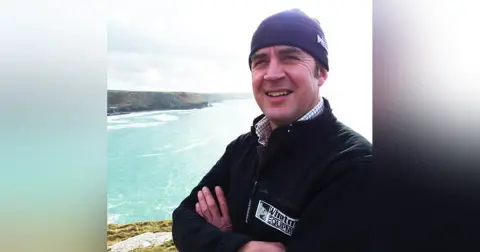
Steve Whetman, is a renowned innovator in the kayaking world. Known for his unique approach to everyday paddling gear, Steve takes us behind the scenes of his creative and engineering process, from initial ideas to market-ready products. Enjoy a fun-filled discussion with insights into product development and the challenges of bringing an idea to life. And, product development isn't always serious, especially when it comes to giving names.
00:09 - Introduction to Paddling the Blue
01:23 - Meet Steve Wettman
03:19 - Paddling Adventures and Preferences
09:10 - Product Development Journey
12:12 - First Product and Market Needs
17:53 - Redesigning for Improvement
29:15 - Testing and Standards in Product Development
34:56 - Innovations in Bilge Pumps
40:14 - Rewarding Products and Impact
45:30 - Advice for Aspiring Product Creators
48:46 - Closing Remarks and Future Guests
0:01 Welcome to Paddling the Blue. With each episode, we talk with guests from the Great Lakes and around the globe who are doing cool things related to sea kayaking. I'm your host, my name is John Chase, and let's get started paddling the blue. Welcome to today's episode of Paddling the Blue. Steve Wettman is known for putting a different spin on everyday paddling kit. And Steve joins today's episode to talk through his creative and engineering processes when he decides to work on a new piece. It's a fun conversation that gives a good look into the process with a few laughs about the lighter side of the business. Before we get to today's conversation with Steve, James and Simon at OnlineSeaKyaking.com continue to produce great content to help you evolve as a paddler and as a coach.
0:42 And you'll find everything from basic strokes and safety to paddling in tides, surfing, coaching, documentaries, expedition skills, and incident management, and more. And their newest course rock hopping with expert coaching from two previous guests of the show kelly marie henry and laura zelliger so if you're not already a subscriber to online sea kayaking.com here is your opportunity to get started visit online sea kayaking.com use the coupon code ptb podcast at checkout and you'll get 10 off just for being a member of the paddling the blue community and a big thanks to everyone who's helped us out with contributions to offset the cost of running Paddling the Blue. You can help out by visiting paddlingtheblue.com slash support.
1:23 Enjoy today's episode with Steve Wettman. Hi Steve, welcome to Paddling the Blue. Hello John, thank you for the invitation. Yeah, this is going to be a fun episode. We're going to talk a little different than what we normally talk about. We often talk about trips and paddling specifically, but today we're going to talk a little bit about something else, not necessarily the trips, but things that we use on trips so tell us a little bit about you first well i am an obsessive paddler and i've been kayaking pretty much all my life and so today i'm now in to me a privileged position of earning a modest living making kayaking equipment and and having the excitement of, sending it out into the market and and seeing people's responses to the kit yeah yeah that's that's basically what i do very cool so obsessive paddler so tell us what kind of paddling you normally do oh i don't really mind to do anything as long as i get it on the water and i've got variety of different craft from river kayaks to sea kayaks to an open boat to pack raft an inflatable double to take my wife down.
2:36 So yeah, it's all sorts. It's always great. Any time is fun in a boat. Yeah. And you can just create all sorts of different adventures, depending on the weather and who you're with and what kind of water is accessible that day. So I really don't mind. Okay. I mean, given the choice, I would... Get out on a lively day in a lively sea state with some friends or indeed fire down some local rivers. And that's just a great tonic, a great way to spend the day for sure. Good. So it sounds like you prefer lively water rather than flat water. Well, I'm getting to that age where I do appreciate a nice cruise.
3:19 And so, yeah, we do have some lovely flat natural places around here to uh to glide silently and encounter wildlife so yeah and i i do like a bit of that as well good and in multiple craft makes for uh i would guess good product development because you've you've got to be able to make these products for all different sorts i try to yeah it does obviously help to understand you know sort of the different, types and situations that people get themselves into sure so you are known for developing kind of a different spin on everyday paddling products so tell us how did you get your start in product development gosh well that would be about 10 years ago where i basically resigned from a well-paid job and decided to start my own paddling company making kit and the product development is is a strange one it's not something which you can sort of structure it's it's a bit, random it can be triggered by observations or chatting with friends or chatting with, newcomers or or just something that just niggles you or you just wake up one morning you think.
4:37 Kit is just could be better i think i'm just gonna scratch my head and have a brew and think about it and and stare at that piece of kit and remember the kinds of scenarios that i've been in myself or observed or just thought well that escalated and went out of control and ended up in the right pickle because of that little piece of detail and it just snowballed from there so those are the kinds of thought process that start me down that long and exciting road of creating something. How long does it generally take from that initial sit down with a brew and stare at the product to actually bringing it to market?
5:21 Well, it's actually sometimes takes a couple of years. Other times it can take six months. i'm in the sort of privileged position that i have a very small company so i don't need to go and present it to a committee or a group or a team so i can shortcut quite a lot of that and get stuff made or created or developed fairly quickly so yeah if it's a tricky one then i mean looking back and looking at my stuff I know that yeah for example that one took two years that one took six months and that's down to either it's complicated or it's a critical piece so you know that it has to be right otherwise you could end up presenting something which could put somebody in a compromised position and you know some things do need testing they need sort of testing or you just think about all the sort of scenarios that have to be ticked off before you you're happy to present it to a market it's a tough one because as soon as you start running through a new idea and you think wow actually that's going to be head and shoulders above.
6:37 What's already out there then your excitement your eagerness to show it and actually offer it to people so they can benefit from it has to be suppressed otherwise you sort of end up short cutting your legit logical process because you're so eager to to offer get it out there and get people to to see it so i'm used to that now a lot of the time now i, It's a great buzz to do it. It's what I love, actually, about the whole thing. But I do have to stop and think, right, no, we have to slow down a little bit, suppress my excitement, sleep on it, and then sleep on it again.
7:26 And kind of like, okay, so let's play devil's advocate. What isn't right about this? And then you go and show it to a friend or a coach you know or an ambassador or a shop and say hey i'm just working on this what do you what do you like about it and tell me what you don't like about it and then you revisit those kind of loops and then you revisit again and sometimes you end up going down a dead end you think right okay this just isn't going to work and other times those people help you sort of move and pinball around through the whole thing and you end up not where you expected to be at the end but you end up with something good yeah so that logical process what's what's that logical process look like for you i can i'm i can visualize it in my head so i'm i'm lucky that i can picture a whole structure in in my head in the pathways so to me it looks like a spider diagram there's arrows and there's bubbles and there's intersections and there's bridges and there's no-go areas on a big whiteboard but it's inside my head okay I don't know if that makes sense but it's kind of all over the place.
8:45 But you have to be open-minded. You have to allow people to ring you up and say, Steve, that was rubbish. It broke. And take it on board and not sort of push back and say, hey, you don't know what you're talking about. Take it on board. And I thought, right, okay, why was that response like that? What have I not recognized? What have I not considered in the development of this thing? The day when you launch it and you think, right, that's it, done now, it's quite nervous. It's because you think, oh my God, have I missed something really obvious? How many products have you brought to market? Gosh, I think I've got about 50 or so.
9:26 And that's sort of naturally grown over the last 10 years of trading. I started with one product, which was the contact line, the Sea Kayak contact line. And that was purely because I went in and I spoke to one of my local shops. And I said hey this is my plan what do you any ideas what do you think's missing from, and then Liam who works in the shop said Steve make a contact line everyone makes their own and they're homemade and they're all a bit sort of strange and wonderful but sure you could make one. So that was that was the first thing that I presented. So you went in and weren't sure what you were going to design and said what what else does the market need or did you have an idea in mind already?
10:12 I didn't have a I was kind of open minded I didn't want to just make a whole sort of generic range of kit which was. A branded version of things which already existed that's just it's just a bit boring and and and you know there's no reason why why would they want to buy my stuff it's just a different color different brand hey maybe they like me so they might buy it but i needed to have a proper. Sort of reason to raise people's eyebrows for them to catch an interest so for sure i would be looking to if possible if there was a if there was a benefit in and re-looking at a a problem or a particular device then for sure my brain was going to be all over that and and just expanding and it's it's it's basically why i i started the business because my wife said look you hate your job you're doing now you're not happy why don't you just go and make your own paddling company i said because she said you're always in the shed making weird stuff to to tweak your your kayak or or motorbike or whatever so i said well all right well i could do but we're not going to have a regular income for a while so yeah so i guess with product development it's it's yeah that I would only start looking at something if I thought I could add value to what was already on offer.
11:46 And the contact line was a classic. That was obvious because nobody had one on the market anyway. So that was a good place to start. So I started looking at, all right, well, what does it require? What do people want from that particular device? And yeah. So for that contact line, what made yours wild and wonderful? What was different? Well, it was... Had a few abilities you could adjust its length which is quite useful so once you've connected then you might decide oh it's the the floating boat next to me is too close or too far away or the bow is going to sort of stab me under my ribs so i want to lengthen the contact line a little bit and it has a quick release element so with british canoeing that's one of the sort of unwritten rules is whenever you connect to something you really need to be able to quick release certainly in case you in case you have a malfunction or get compromised so that is into the device as well and it's pretty simple really i mean it's got two connectors so you can use it either to the starboard side or to the port side so it just deploys either side and it's developed quite a lot over the years i.
13:10 Started with a quick release which is a acetyl high density plastic cam buckle in the middle and i used climbing carabiner snap gates which i got from from dmm in wales and the other brands were using the same kind of connectors and that was the most appropriate i think at the time but they weren't 100 reliable given that they were climbing they They were made of aircraft aluminium and you put those in salt water and sometimes they're going to malfunction. So over a period of a year or so, I was getting a few reports back from people who were saying, hey, my connector, it doesn't work anymore.
13:55 And so, of course, I take that quite personally. Oh, it's my product. I love it. But they don't like it anymore because it's not working. So I looked at the connector and I thought, right, well, yeah, surely there must be a better connector about. That carabiner is the right size for the job. it's it's got a clean nose there's no hook on it but it's failing it's either getting it's seizing up or it's actually corroding in obviously in the salt water so that started me down the road of right have to find a much better connector around and so other brands were using connectors which were really small they were sort of they bought from the yachting market or they were using a strange plastic high density plastic connector which was really chunky and bulky and the the actual opening part was really quite difficult to use certainly would be hard with cold hands and certainly not sure if it would would have been strong enough in a tension situation, so that alone then started me thinking right well i'm going to have to try and find my my own connector so does that mean i'm going to have to design my own carabiner surely that's not.
15:16 Necessary there's loads and loads and loads of carabiners out there in the market so i thought right well before i do that i'm going to hunt around the market to see surely there must be one already made so i went to quite a few big trade shows sort of supplier shows, searched around everywhere to to see whether it existed and then once i was. Sure it didn't exist then that basically was the was the green light for me to write come on then let's get on and and make my own connector that's the kraken yes so i started telling my friends hey i'm gonna i'm gonna design my own carabiner and they said what why would you do that i said well i think it's worth it yeah so that was that's how the kraken was born so it was primarily to improve the contact line that was why i why i started down that road how often does one product create another product quite often the other element which i again designed from scratch believe it or not is the quick release which you see today in the contact line it's a stainless cam buckle so i spent about a year developing that because you had to have the ability to it for it to quick release whilst it's under tension so it's you've got a tensile force applied to it.
16:37 Which actually if you've got the wrong kind of cam buckle you can't open it because the tension in the webbing holds it down so it's a critical point where it has to be strong enough to hold that load but equally as it has to have the right ergonomics the the angles of the teeth and the can such that it's able you are able to release it so there's a little bit of sort of drilling into the detail of that particular item but off the back of that i then used that to create a couple more products so i thought right back to the the mantra of people want a quick release in their system let's just offer them a modular quick release.
17:22 So that's now a product which sells pretty well. People can just buy what I call a deck quick release. It's a piece of webbing integrated with that stainless steel cam buckle. So they then can link it into whatever system they have on their boat, canoe, kayak, or whatever it is. It's safe in the knowledge they now have a quick release into their system. Interesting. So you mentioned that redesign process too. Of you've put a product out to market you recognize that the the connector for example the carabiner just didn't work so you have to go back to the to the drawing board how often would you say that those kinds of things come up where over time you know the new things come out of the market now you can redesign that product to make it even better i think that's probably my my method of working a lot of my products have gone through that process otherwise i kind of think well well, I'm not really interested in offering the same product again.
18:27 So a lot of that has actually gone into the products. I'm just browsing through my own catalogs here, sort of reminding me what I do. Yeah, I see there's an element of that, some of it more than others, which goes through all of them. I mean, the Kraken was a long, it probably took about two years, I think, to evolve that. Because you had to sort of think about, right, so it's only going to be designed for sea kayak use. Well, what's happening in a sea kayak? What are the forces involved when you're using it in the sea kayaking? And what's it connecting to? It's connecting to a thin rope, and that rope is a deck line.
19:11 So unusually it's it's actually backed by a solid surface and you're clipping into that. Which is unusual for a carabiner carabiner can do lots of things obviously but it's mostly clipping onto sort of loose webbing or rope and it's obviously in this in the sea environment you want to be able to clip it on easily and off relatively easier as well so it doesn't have to be a climbing carabiner as in load rated to a high tension tensile force which the climbing ones are so i did quite a lot of testing with load cells and testing in the water to find out what sort of forces are being applied when you are towing so that was quite an eye-opener and that basically sort of governed the sort of loading that i thought was appropriate for some maximum loading for the kraken itself and it was just a man in the shed job i started by making them out of a polymer clay or sort of femo type stuff that kids use to get the shape and then i started pretending to clip it onto to deck lines and looking how.
20:26 The shape works and complements the shape of the side profile of a sea kayak how does it feel in the hand if my hand was cold and wet could i use it and then i i luckily my wife is a silversmith and she's she in the shed shed's divided in two so i've got one half she's got the other half she's got casting equipment sand casting and and kits so she helped me then make a mold in pewter so i could then get a feel for the weight I could put a spring gate onto it and play around and see whether it worked connection-wise. And then from there, she made one for me in a steel.
21:11 Which was the first time I could then sort of put my theory that this was going to be strong enough to the test by loading the steel to see whether it was actually going to be able to resist the appropriate loads. And then it was a case of, right, well, who's going to make this for me? Anybody in the UK? So I approached DMM, who I've already done a lot of business with, i went up to see them and they they were quite interested but i mean their quantities they wanted me to sign up for 10 000 to make it worth their while i said right okay well that's very kind of you i'm not sure i'm ready to do that so yes i had to go further afield but it was an exciting time when i finally got got one ready to offer that was that was a good day so i was going to ask earlier but you kind of answered the question i was thinking sorry you're still doing this in the shed at your home or and and to some degree yes you're still doing it in the shed at home well the shed is still there and i do use the shed for sure but i now have a proper business unit 10 minutes from from the shed which is dry doesn't have any mice inside it and there's no leaks in the roof and it's relatively warm so it's a bit of an upgrade although it was a bit crazy because i i got the keys to this place the same month that we initially went into lockdown back in the
22:42 covid days so that that was a a bit of a crazy moment so of the 50 products that you've developed, how many fails occur that never even come to market? A few, not too many. So, what have I got up in the loft? There's an inflatable kayak that I, Did it fail or I just stopped doing it because I think it became too much work? Yeah, just lose passion. I was advised by some shops that said, Steve, why are you doing this? Focus on your accessory kit range.
23:25 There's specialized companies who are focusing on inflatable kayaks and look, this is what they're doing. So i think i i think i took that advice and yeah i think they're right it's not that i couldn't do it and i had upstairs i've still got one that i take out the family out with but it was a case where you have to get them made in the far east and to get the detail all the critical details and the elements correct i'd have to go out there and watch them make it and really take a lot of time out of out of my day-to-day work so i was thinking well nice idea but maybe i might revisit it one day so that was one i which soaked up quite a lot of my energy one time other there there's a few others not luckily i think it's not too many and i haven't got too many disasters where i've got boxes of something which i know will never sell but there is risk obviously for sure and yeah it's my own money i don't have any shareholders or any other partners so yeah the responsibility is with me and whether i run with something or not so yeah it's it's quite tough and in terms of that risk so with some products kind of you had alluded to this earlier failure is not an option so how do you manage testing for those products a lot of the testing on on the kind of things that
24:55 i provide i call this of in-house testing so you're basically. Creating your own conformities and making sure it's fit for purpose so there aren't any en standards or bs standards applicable to pretty much all of the all of my range which is a good thing in a way because it means there's less bureaucracy but it means that i'm i have to protect myself i have to make sure that i've done things in and apply due diligence to whatever it is obviously some of these things are load bearing that sort of they have to hold certain tensile strengths so the way i do that is i start with my own load cell testing which i can do in the shed or in the business unit and then i send some of the elements off to an independent tester most this is for tensile testing which i've actually i've just sent some off this week so they'll, basically load them up to a maximum which i've i've stated or to destruction and they'll send me back the results so i will see the amount of stretch and the the load applied on those things so i'll then file that data and keep that to hand if anybody ever asked for it or god forbid if there's any any need to defend my product so that's that's generally how you do it.
26:24 Apart from that you know the general things is you show it to as many experienced people and say hey what do you think can you see any any pitfalls in what i'm what i'm doing here any idea any suggestions so yeah that's it's fairly basic i suppose from that point of view, with no standards because you mentioned there really isn't a tensile strength standard. How do you know that you're at the number that you need to be at good question nobody knows the tensile standards or stentile forces going on in sea kayak towing because nobody's ever done any any testing in it i mean i've done some and i've got that data from for my kraken and my other toe things so i have a reasonable and sort of understanding of.
27:14 The forces involved and what what what it should do and so yeah if i was in in the dock one day to defend my my my product then i would be be happy to do that other things for example river rescue slings there's a there's a kind of unwritten rule that they have an expectation that they should hold at least 10 kilonewtons to be fit for purpose for their job which is kind of generally accepted and that's there's there's more sort of research and development done to come up with that number so that's kind of considering scenarios where you're doing a mechanical advantage system loading up a pinned boat and using this kit so you you can actually sort of do the physics and add a load cell on and you can look to see what kind of forces are being applied to to these things so that again is it's in it's within the industry the industry as in paddle sport has created that number there isn't any bs standard or en standard on which is.
28:30 Come through with that which again i think it's quite a good thing that i think we've just sorted our own house out and come up with sensible numbers for that i mean if you looked at, somebody is doing a three to one mechanical advantage and you've got one man pulling on it or a woman then that is going to be a an input force of about 60 kilos so 600 newtons input But three to one system, so you've got 1800 applied to some of the rigging there. Okay, so that's 1800 newtons, 1.8 kilonewtons. If you then got three people pulling on that thing, then you could potentially multiply it by three.
29:11 So that's like six kilonewtons. So that's quite high load. So that would be a typical scenario. I mean, so if you've got a thing which is rated to 10 kilonewtons, then you're kind of covered for that sort of situation so that just gives you an idea really of how things are developed in in the paddle sport i mean obviously with buoyancy aids pfds there are for sure en standards and un standards u.s coast guard standards which are cover because of the nature of what they do given it's ppe buoyancy aid life jacket type stuff, what's the most challenging product that you develop and why.
29:52 Gosh probably the one i'm developing right now which hasn't yet come to market, so i'm developing a bilge pump and the reason it's challenging is first of all there's quite a lot of physics involved you've got to look at the pumps that are out there today and the ones that i've used and i looked at it and thought right well where did they come from did they get designed for kayaking or have they been pulled from a different market so i decided that yes they've been they haven't been designed for kayaking they're quite long and narrow and they they're difficult to use you get fatigue in your shoulder really easily so i thought i could design a better one but to do that i had to figure out well what size is better and how can i make it more useful shorter what sort of size is going to be and i was thinking right well i'm going to have to make one so how do i make a pump in my shed and because.
30:58 If i can't make one and i can't test it and i can't actually then figure out whether it's a useful thing whether it's better or whether it's just you know just moderately interesting so that was that was not i mean it's not really a challenge it's great fun and it really gets my brain firing on all its all its cylinders to try and think about all this kind of like aspects that you you could uh you could input into it and try different things yeah so that that's quite a good one so why a pump i think it was triggered big i woke up one day i thought that was rubbish that thing i used yesterday and it was we were out in the sea and we were trying our best to use these pumps and because these pumps are quite long when you're sat in your kayak and you're using it your arm is actually stretched out and it's almost at shoulder level if not above and then you have to the exit stroke the one where the pressure is is when you're pulling up that's generally how the pumps operate so the exertion and the stress on your shoulder muscles is actually quite hard on those muscles.
32:17 So if you're doing that for a few minutes, it's actually really quite strenuous. It's uncomfortable and you can feel your shoulder muscles aching. And I thought, well, we need to pump out for a good 10 minutes or even 15 minutes. And this is really, really hard work. So those are all things that I know that I think about every time I've used a paddle, but every other paddler thinks of the same thing when they use a paddle. Why has it taken so long for someone to think, boy, this is rubbish? Yeah, I mean, the paddles have, it's a wonderful example of loads and loads and loads of different ideas and designs have gone into those.
33:05 And uh yeah i mean i wouldn't consider for example designing a paddle because i think there's loads of people doing a really good job of that and it and they spend the whole life focusing on on ergonomics of paddles but i just looked at that that pump and i thought this hasn't been designed for sea kayaking yeah it's been taken from probably yachting or dinghy sailing or something and they put their brand on it and given it as a sea kayak bilge pump and yeah it pumps water out of sea kayak but not very well and it's quite quite long it's bulky to you can't put it in your day hatch or behind your seat and it doesn't have to be that high you can have a much shorter one and still eject the water out of the boat well that's something i'm excited about well here i am pitching pitching for one of my new products.
34:02 And it's it started in august last year and so now i'm in where are we now january this has been quite a fast development because it's almost finished now it's almost done all right and so So the first month was in the shed making the pump, which means I had to find some tube, decide on the diameter and the height of the tube and the volume, and then figure out where can I find these components to actually make a pump with a piston and valves and an exit tube and all the rest of it. And then I eventually made a video showing me pumping water out of a bucket and landing in the garden.
34:44 And that was an exciting day. I thought, oh my God, this pump actually works. And, of course, I had some other branded pumps for comparison. So I was pumping loads of different pumps out of the bucket to sort of test different things. And I made a little video and I sent it to some of my usual sort of ambassadors. I said, what do you think? And that was the start of the excitement when they sort of, brilliant, that's a great idea. When's it ready? Right, okay. Right. You mentioned just a number of things in there that personally caught my interest and I know that will catch interest of other paddlers.
35:27 And like you said, I've seen modifications for pumps that to make them shorter, to be able to fit behind the seat, that just seems like a lot of work and it doesn't really seem like it would solve the problem. For me, I can't put a knee tube in and just put the paddle underneath the deck because I've got the little guacamole bowl. That kind of the four deck pod, wouldn't work there so yeah it's interesting it is a tricky one and you see them being stowed all over the place and then and then people capsize and the pumps are floating around in the water or dangling on pieces of cord, and yeah and then others people well my pump has to be on my deck because if I need to use it then I don't want to.
36:17 Open my spray deck or open a hatch i said okay so using it on somebody else for sure okay and but then if they're using it on their own if they've got a flood in their own boat then the pump could be inside their cockpit for example and if that's happy with that or indeed they could just shove it in their in their day hatch it's it's great everyone's got their own personal preference on where to put it and it does seem that pretty much every paddler has a pump so i'm looking around thinking wow everyone has a pump and they're all rubbish well in my opinion anyway i mean it's i just they're not really rubbish but yeah i think i can make a better one not purpose built yeah not not purpose built and it's all about reducing the amount of fatigue when you actually use it for real and it this all started this particular project because i was using one for real with some of my friends and they they were they were not helping us to to get out of the situation so that that was bugging me so that's that's caused me to uh be involved with this project for the last six months well it'll be neat to see that come to market it's great fun and it's all about yeah finding the right.
37:36 Pump size but then then after that i then have to look at okay so let's look at the detail let's look at the detail in the detail and really think about okay what are you doing from the start to the finish of your day sort of focusing on that pump so again i'm getting obsessive which is what i do and i'm thinking about okay well you're going to handle it you're holding it with cold wet hands you're putting it you're stowing it somewhere, How can you make it better if you're just putting it on your deck with one piece of elastic over the top? Well, what you do is you add some grip lines, you add some little bumpers so that the elastic won't roll off the one end or the other end.
38:23 And those are tiny little details. And then you think, right, well, what's it doing? It's sucking up water and then spurting it out the other end. Would it be worth rifling the exit output? What's the angle of the exit output? If I made the angle of the exit output point upwards rather than 90 degrees, then I can make it even shorter. Because it will just push the water up and out and across the gunwale of the boat. So instead of having to deflect it at 90 degrees, which slows the process down, I'm thinking. Exactly. Yes, indeed. Yeah. I was out showing one of my friends, local friends, an old prototype of this pump.
39:07 And I said, oh, I forgot to show you this. What do you think? And he looked at it and thought, he the one thing he clocked on was the angle of the output snap which was angled up and he said that is the best innovation you could do on that pump so i thought hey excellent, so the kraken was a fun name do you have a fun name for this one well we've been through all sorts of names and some of them are a bit naughty so in the end we've come up with the sea stubby okay, I quite like the name Bilge Bailey which is a homage to a British comedian called Bill Bailey yep that was quite and then there was some yeah, Suck Norris which was a bit rude.
39:56 Probably a memorable name. Might end up with a legal case on the back of it. But yeah, so that's probably what it's going to be. All right. So what's been the most rewarding product? I think it's probably the crab stick, I think, which is a whitewater rescue product, which is the smallest product that I offer. It's just a it's just a piece of plastic so what made that the most rewarding because it might help save lives and it might mean that people can reach and connect onto either a swimmer or a compromised kayak in white water without putting themselves at risk it's a very simple little peg essentially piece of plastic peg which opens up and holds open the gate of a carabiner so it's like a trigger so you can then generate create a paddle hook so you tie this carabiner lash it onto the the end of a paddle and you and the carabiner is connected to a piece of webbing which is connected to a rope on the riverbank you can then reach into the water and then clip onto the swimmer on the compromised boat and the little stick there will then trigger and and allow the carabiner to remotely connect onto the swimmer or the boat.
41:26 So that's its purpose. Without that, if you reached across just with a carabiner, the gate wouldn't open. It's not possible to open that gate. Yeah, so that was one thing which. I don't even know why I created it. I started to drive from the UK to Germany to go and see Leppmann in Germany. And during that drive, the seed planted in my head. I think I had an old paddle hook from the 80s, which was very heavy and kind of worked, but you wouldn't really want to carry it around because it was a bit like a piece of garden equipment. During that drive I had the radio turned off and no distractions and my I just let my brain start to wander about and create a little sort of matrix in my head and and I started thinking about the paddle hook I don't know why but it was coming up all the time and then it popped into my head that if I had some sort of peg to hold that gate open then that would that would be sufficient to to solve the problem and then i thought all right okay well what would be the shape how would it work it's got a slot into the gate but also somehow hold onto the nose of the carabiner.
42:41 Sufficiently to stay put but equally free enough to then slip off and trigger the closure of the gate i had eight hours to think about this on my journey to letman and i was getting more and more excited and i was running through different shapes and all the rest of it in my head by the time i got to letman i i got hold of jock and letman who was a busy man he's got a big business to run making all sorts of stuff there and i said jock and i've just been driving for eight hours i've come up with this this new idea so i explained it to him he listened to me he said come with me we make it now so he stopped what he's doing we went into his big workshop and i said okay what do you want to okay so he found some random pieces of plastic got his bandsaw out and we made one okay and he got it immediately he sort of he comes from a whitewater background anyway and he could see the benefit of it.
43:39 And that's where the crab stick was born. This, I think, was maybe my second year of trading, of doing business. Then I went to the European Paddle Sport Trade Show and had a tiny little stand and showed my contact line and other bits and bobs and the crab stick and some other things I was doing with slings, some new ideas. On then day two, one of the staff came up to me and said, Steve, you've won an award. And I go, yeah, right. And I said, yeah, you have to come up tonight to the ceremony. And I go, what do you mean? And then they rushed off somewhere else. They didn't actually bother telling me what I'd want it for.
44:24 Later on, the organizer, Philippe, he came up and said, yes, you have. Well done. Your devices were amazing. We were all so impressed. and you have won this award, please come up and be presented. So that was a massive, massive day for me because it was like David versus Goliath. I'm just nobody working in his shed up against all these big brands across the world, big teams of designers and lots of budgets and there's just me on my own just coming up and winning one of the awards.
45:07 It's certainly a confirmation that you're on the right track. It was. It was fantastic, and it was really emotional for sure. So that was a real sort of thumbs up. Ah, congrats. It just kept me forging through in the same direction for sure. So what advice would you have for someone who has a product idea in their head but isn't sure how to bring it to market. Tell me about it. It's not me. I'm just thinking of our listeners. If someone's making their own drive somewhere and thinks, what about this thing? Why could we do that? But they're not sure where to go with it. I'd say if you can, run with it and be creative.
45:51 Enjoy discovering what you create and try it yourself. And if it works for you, then that's fine. Just use it for yourself. I mean, if you think that everyone else will want it as well. If it's that beneficial, then that's the time to consider, is it actually a product which people would want to buy? There's a big difference between the two, and I've seen loads and loads of sea kayakers especially creating their own little wonderful gadgets which work for them. It's a much harder thing to make it work for most people or everybody.
46:31 Well, thank you for having that critical eye and taking a look at products and thinking, how can I make that product better? No problem. Yeah. So how can listeners connect with you? They're welcome to find my website on wetmanequipment.com. And so from there, if they wish to, they can contact me and email me. I'm on Facebook as well and Instagram. and so you can message direct and obviously browse through our activity. On my website, I've done loads of videos. So mostly they are obviously presenting the kit and I try and be a little bit entertaining as well.
47:13 So it's not too dull watching through the kit videos. All right. So it's not all an engineer talking engineer stuff. It's fun. Well, no, I try and keep the trade secrets a secret. It all right and in terms of product so the kit you can purchase that directly through your website at weapon equipment if they wish to yeah there's an online store equally there are many very good, stockists around the world now actually including america got a few there where you can usually find the kit as well fantastic how many countries are you uh distributing in. Well, there's throughout Europe. I've got, gosh, what's the furthest we do to Israel, for example. I mean, somebody in Japan is taking some.
47:59 I think there's somebody in Australia now. Somebody in Chile, they take it. So, yeah, there's a big stockist list on the website as well. Super. So, yeah, you can find it. Otherwise, if need be, just drop me a line and I'll sort you out. We'll make sure that we put links in our show notes to Weppman Equipment. So folks can find the kit that you have there and then find it through their favorite stockist wherever that, whoever that may be. Yeah, yeah, definitely. One final question for you, Steve, and that is who else would you like to hear as a future guest on Paddling the Blue? Well, I would like to listen to my friend Rick Cooper, who I've known for many years.
48:43 He's a local paddler in my neck of the woods. He's also an excellent sea kayak coach and very well respected in the coaching fraternity but also I do actually have many great days of paddling on the water with him and we always get up to some sort of mischief and I bounce my ideas off him and he tells it to me straight whether it's good bad or ugly so yeah try and get hold of rick he's a bit elusive but he's worth it all right well we'll uh we'll work on reaching uh reaching rick and getting him on the show as well steve it's been a pleasure having the chance to talk to you and to learn about the kit that you have developed already and to learn about the c stubby and and we'll look forward to seeing that come to market thank you yeah you're very welcome thank you.
49:36 If you want to be a stronger and more efficient paddler, Power to the Paddle is packed with fitness guidance and complete descriptions, along with photos of more than 50 exercises to improve your abilities and enjoy your time on the water. The concept and exercises in this book have helped me become a better paddler, and they can make a difference for you too. The exercises in the book can help you reduce tension in your shoulders and low back, use the power of your torso to create leverage and use less energy with each stroke, Use force generated from your lower body to make your paddling strokes more efficient. Have the endurance to handle long days in the boat. Drive through the toughest waves or white water. Protect your body against common paddling injuries. And while you're at it, you might even lose a few pounds. And who wouldn't mind that? So visit paddlingexercises.com to get the book and companion DVD.
50:21 That was a fun look into the mind of a product designer with some pretty unique items. I sure wish he was able to use the Norris name for that pump, but I understand the complications that could bring on. Like many of you, I do look forward to a purpose-built pump coming out to market, so we'll be watching for that one. And I'll include a link in the show notes so you can visit Steve's website, Wetman Equipment, as well. Thanks again to our partners at OnlineSeaKayaking.com for extending a special offer to you. Visit OnlineSeaKayaking.com, enter the code PTBpodcast to check out and get 10% off just for being a member of the Paddling the Blue community. Until next time, thanks again for listening, and I look forward to bringing you the next episode of Paddling the Blue. Thank you for listening to Paddling the Blue. You can subscribe to Paddling the Blue on Apple Music, Google Podcasts, Spotify, or wherever you find your favorite podcasts.
51:09 Please take the time to leave us a five-star review on Apple Music. We truly appreciate the support. And you can find the show notes for this episode and other episodes, along with replays of past episodes, contact information, and more at paddlingtheblue.com. Until next time. Music.